
The Revolution of Rooftop Solar and Solar Canopies in Educational Institutions
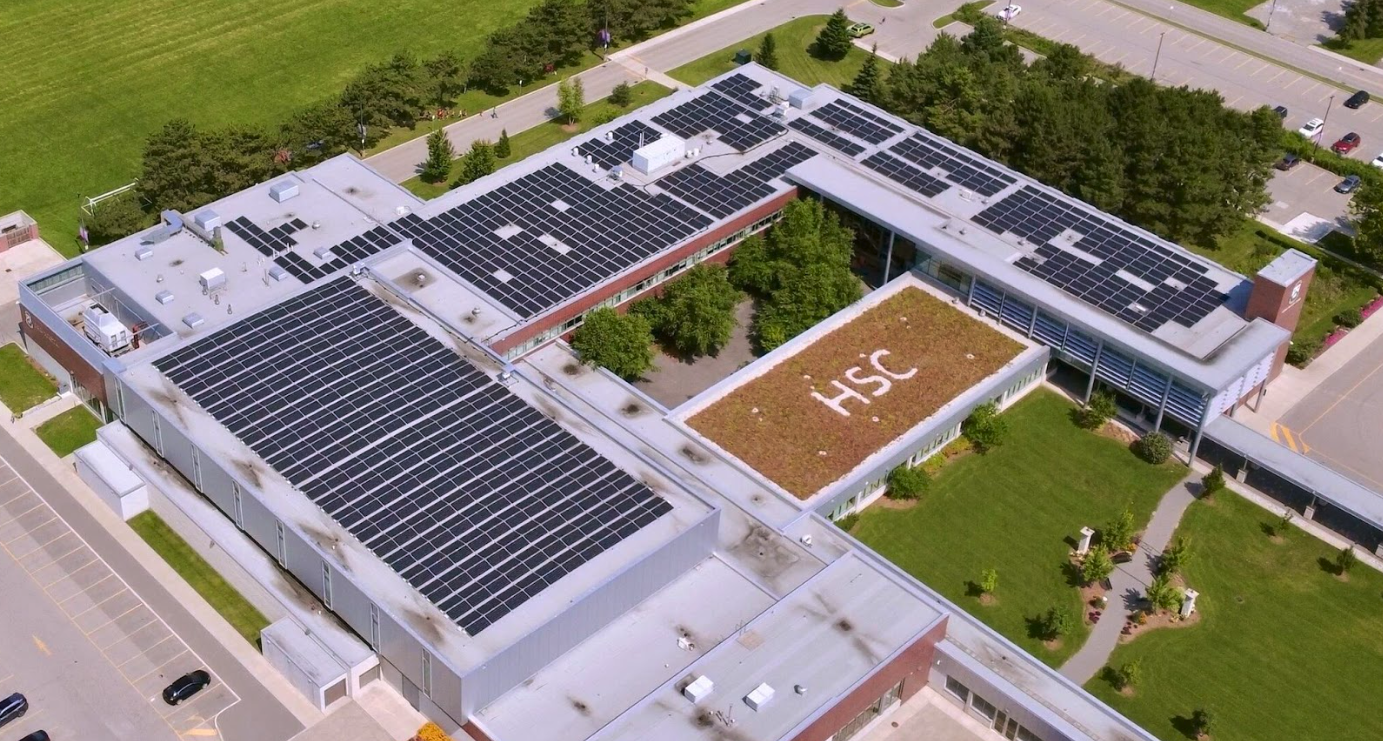
In the ever-evolving landscape of energy generation, rooftop solar and solar canopies have emerged as game-changing solutions for educational institutions. As schools modernize their energy infrastructure, these systems offer a sustainable approach tailored to the unique needs of campus buildings and outdoor spaces.
A new era of energy generation is taking shape on educational campuses.

Adaptation in Education
Educational institutions have long been the cradle of innovation and change. It’s within these walls that future leaders, scientists, and thinkers are shaped. As we adapt to the challenges of our times, integrating solar energy into the very fabric of these institutions becomes not just an option but a responsibility.

A Lesson in Environmental Stewardship
Educational institutions are not just places of learning; they are also pillars of community influence. By adopting solar energy solutions, these institutions can lead by example, showcasing a commitment to environmental stewardship. Students, staff, and the community at large can witness firsthand the positive impact of harnessing clean, renewable energy.
Maximizing Rooftop Potential
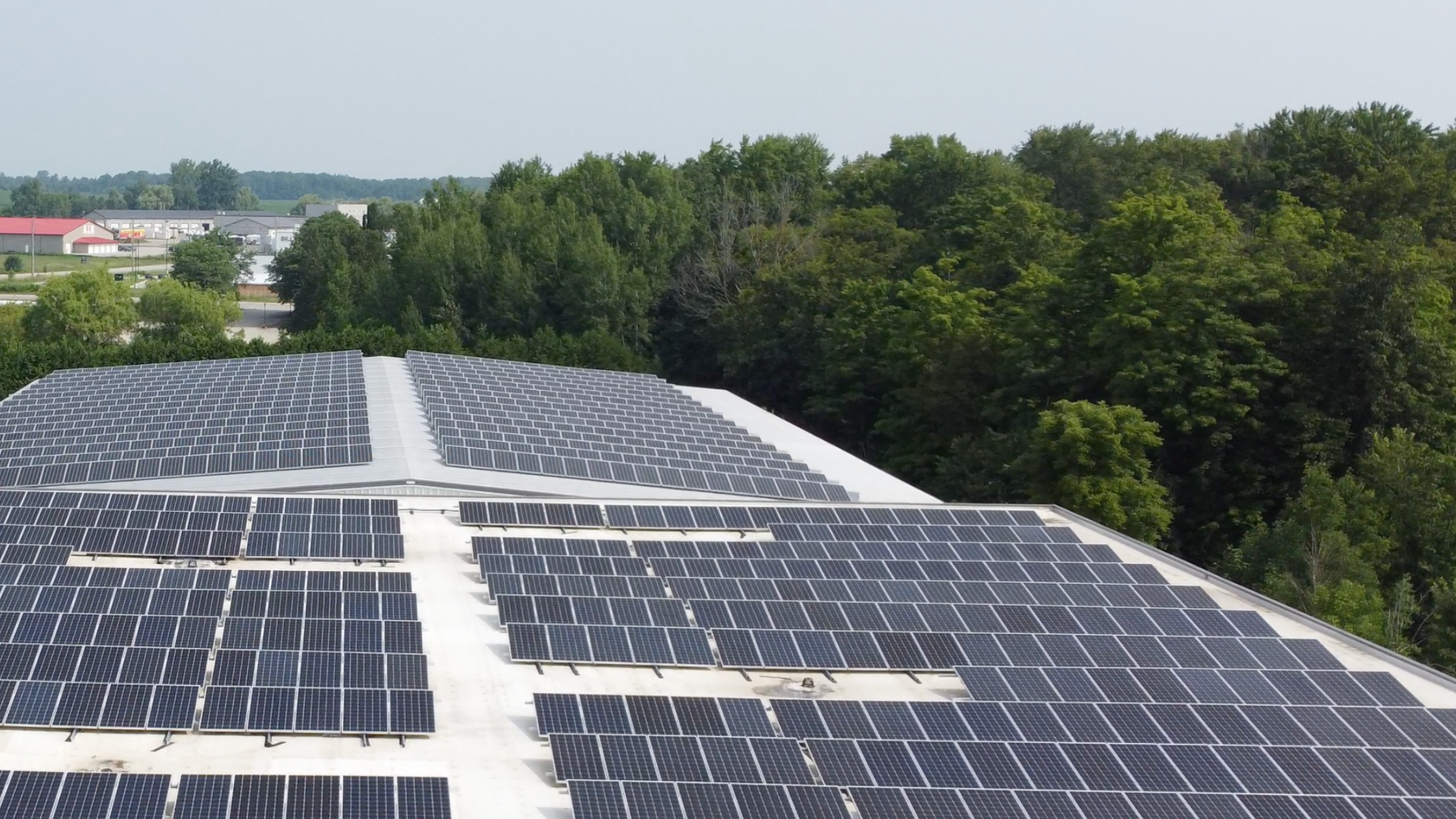
The primary obstacle lies in the fact that traditional grids were not designed to handle power generated from numerous smaller sources. Rooftop solar installations turn this challenge into an opportunity by utilizing the often-underutilized space atop educational buildings. The scalability of solar technology allows for flexible installation sizes, making it an ideal fit for educational institutions with varying energy needs.

Enhancing Sustainability with Solar Canopies
Solar canopies extend this revolution by providing shade to outdoor areas while simultaneously harnessing the power of the sun. Educational campuses, with sprawling grounds and outdoor spaces, can integrate solar canopies into their design—creating a harmonious blend of functionality and sustainability. These canopies generate clean energy while offering shaded spaces for outdoor activities.
Challenges in Traditional Grid Integration
Educational institutions often face difficulties integrating renewable energy into aging grid infrastructure. Traditional systems struggle to accommodate decentralized energy resources, limiting capacity and efficiency. Rooftop solar and solar canopies provide an effective way to address these challenges directly.
Micro-Grids for Energy Independence
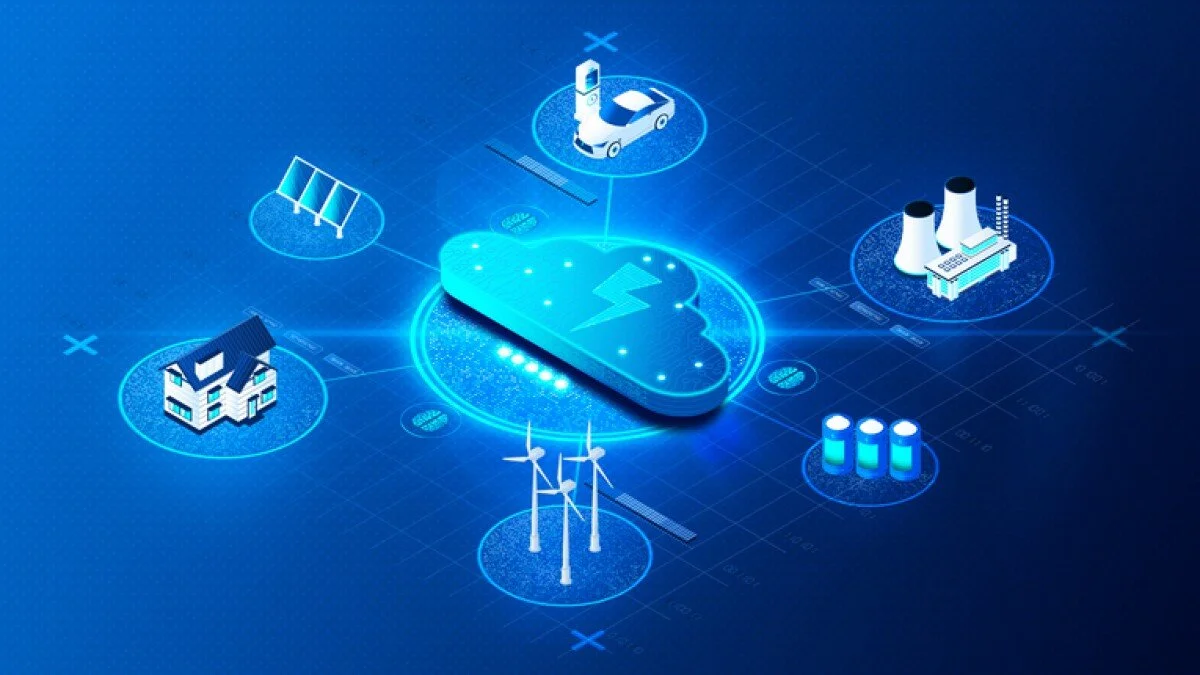
By connecting rooftop solar and solar canopies to localized micro-grids, educational institutions can move toward greater energy resilience. While dependence on the grid remains high today, micro-grids offer the ability to maintain power during outages—supporting uninterrupted operations and campus safety.

Time Efficiency and Cost-effectiveness
Unlike large, centralized power plants, rooftop solar installations can be implemented in significantly shorter timescales. This is particularly advantageous for educational institutions with budget constraints and a need for immediate sustainability measures. Solar canopies, with their dual purpose of energy generation and providing shade, offer a cost-effective solution that contributes to long-term energy savings.
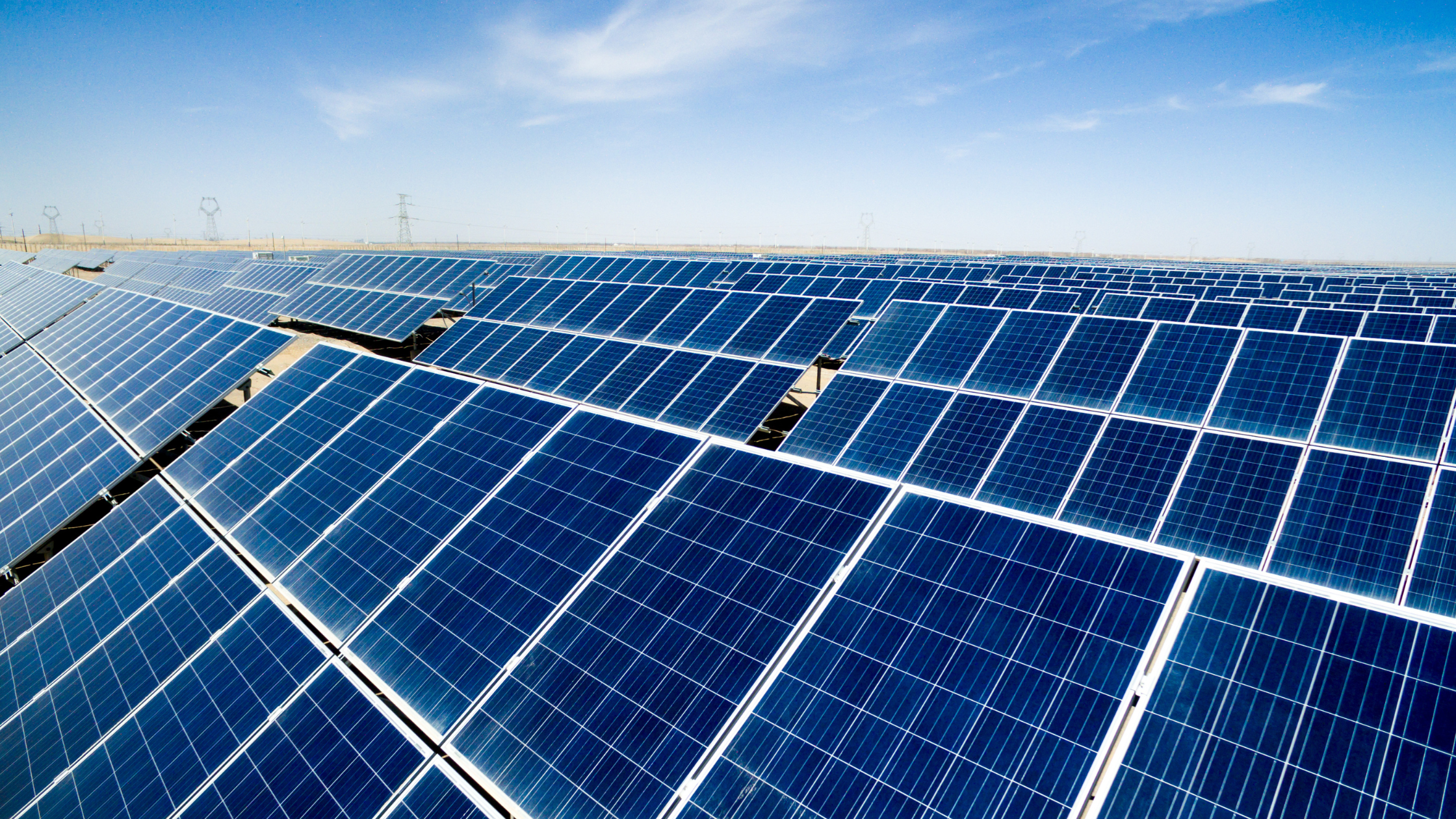
Addressing Fluctuating Demand
Educational institutions experience varying energy demand throughout the day and across seasons. When paired with energy storage solutions, rooftop solar and solar canopies enable campuses to capture excess energy during peak production and use it during high-demand periods—reducing grid dependence and optimizing energy use.
Imagine a campus where every rooftop and open space reflects a commitment to a sustainable future. Rooftop solar panels and solar canopies generate clean electricity while also serving as hands-on educational tools, allowing students to see how sunlight is converted into energy.
This transformation benefits both the institution and the individuals it nurtures, positioning educational campuses to lead the way toward a brighter, cleaner, and more sustainable future. Discover how your campus can take the next step toward sustainability today.