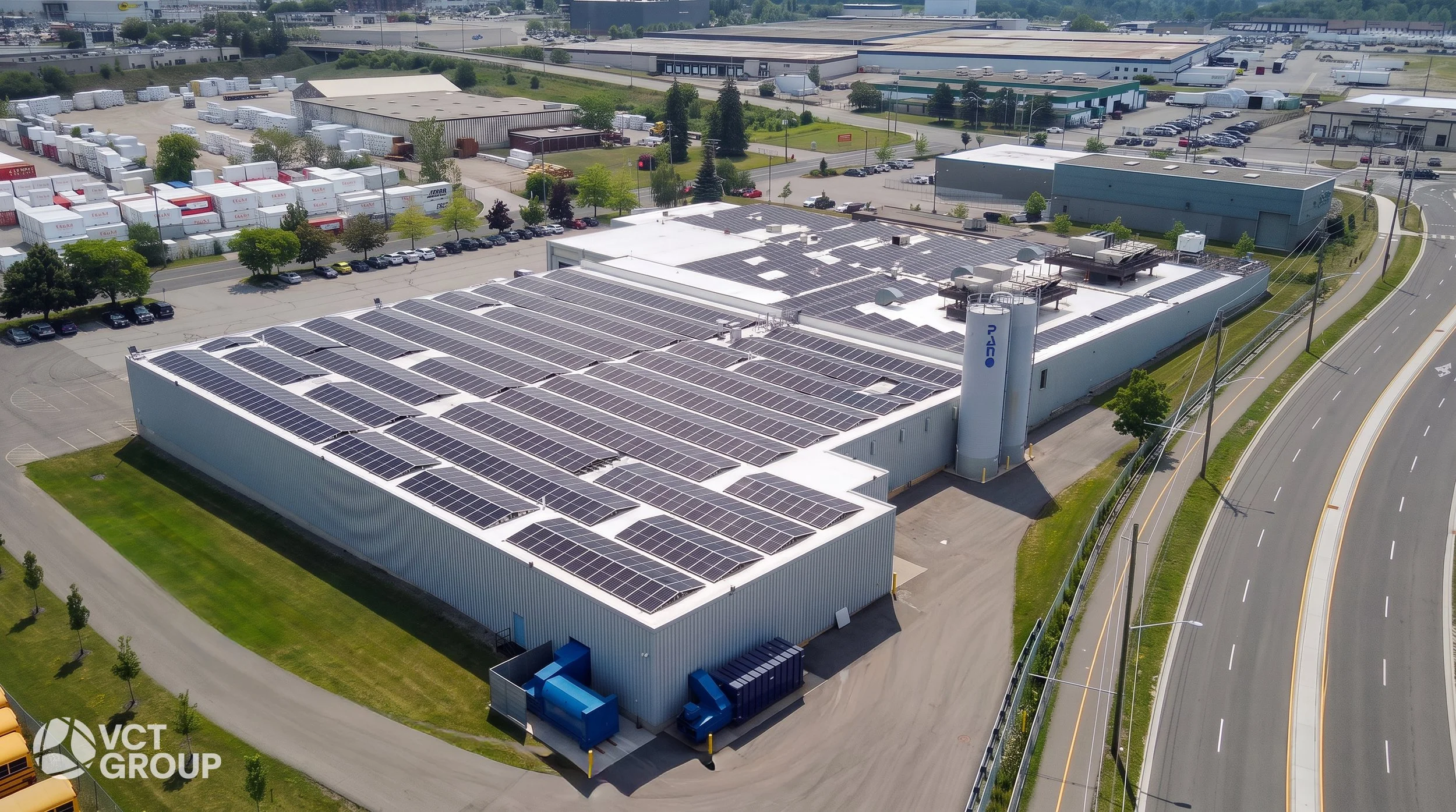
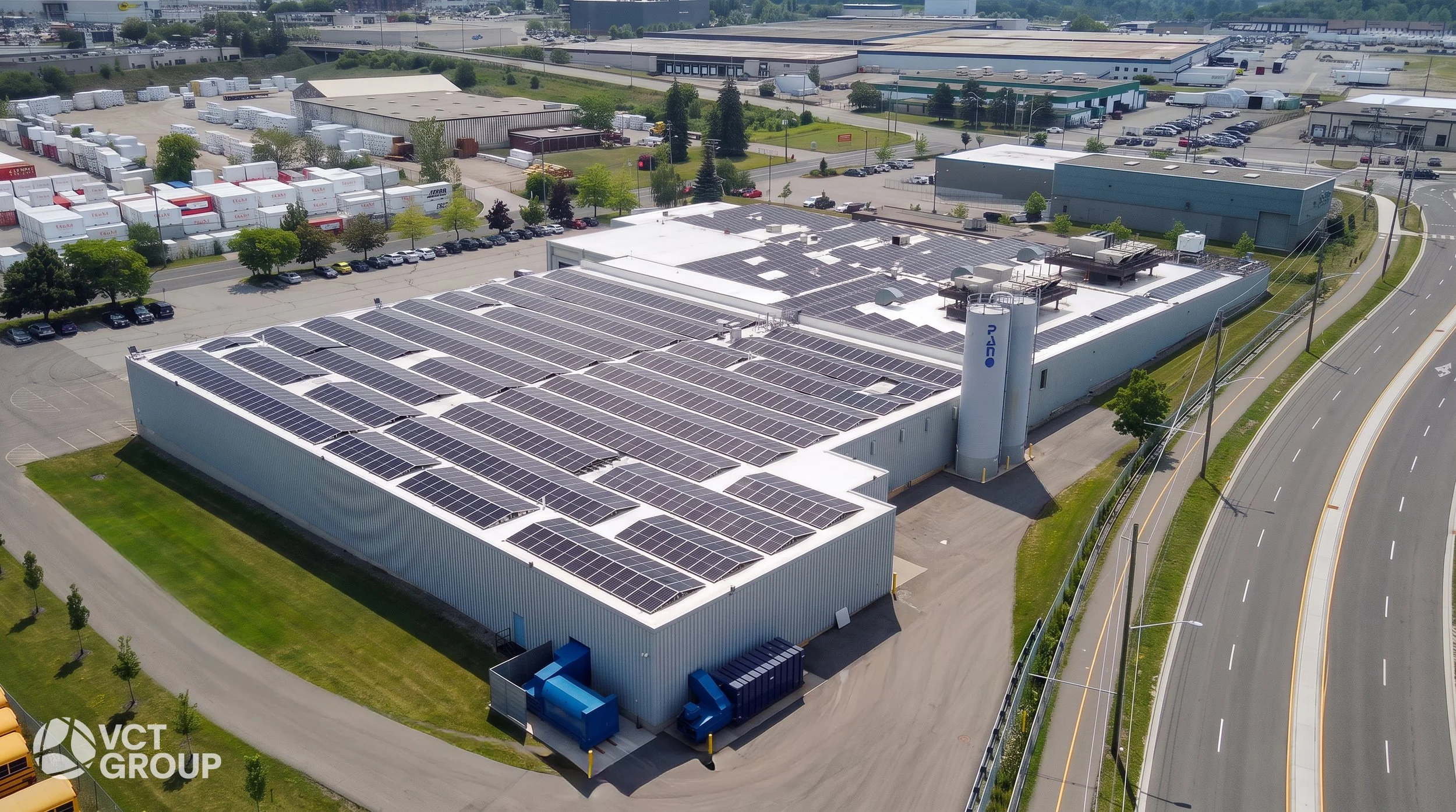
Pano Cap Canada Ltd
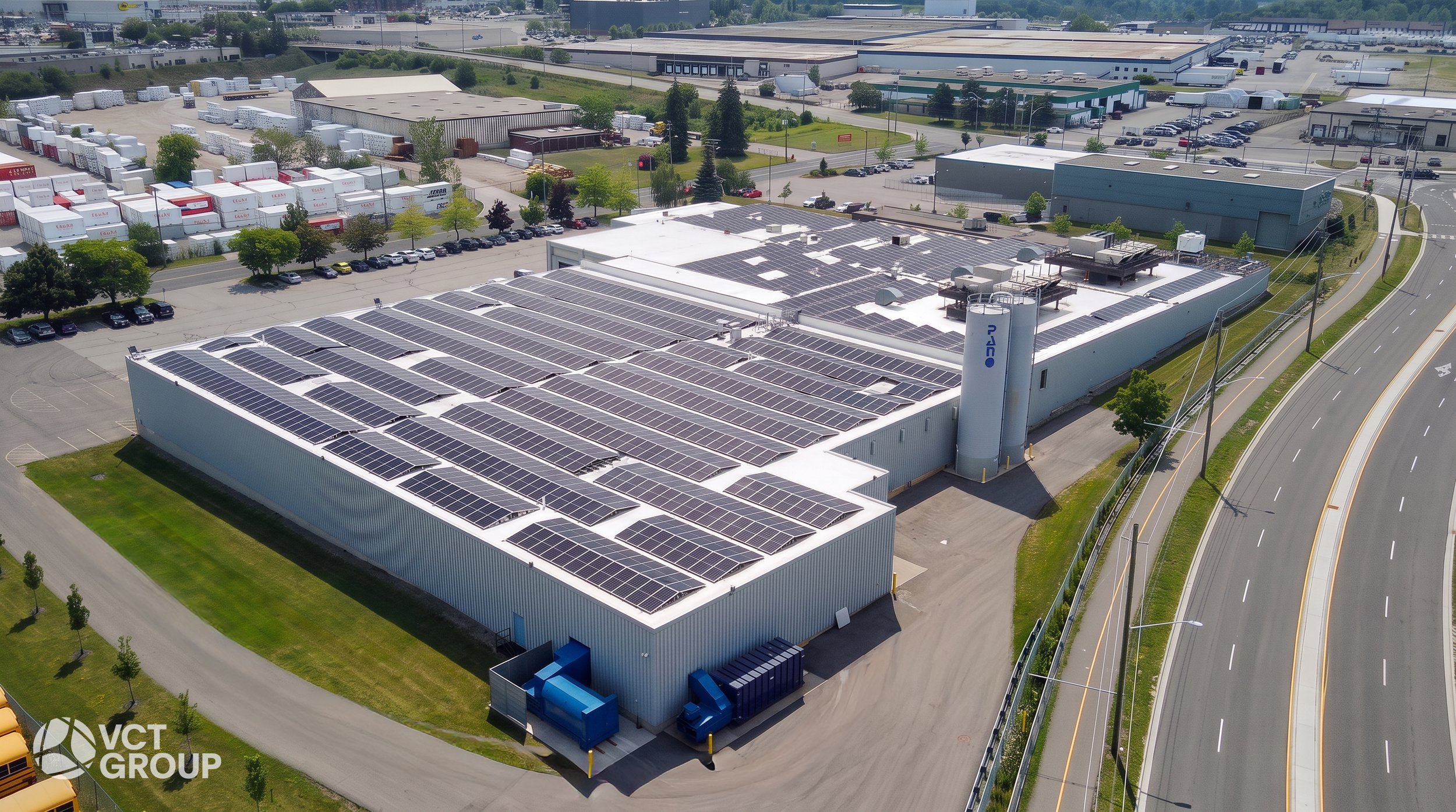
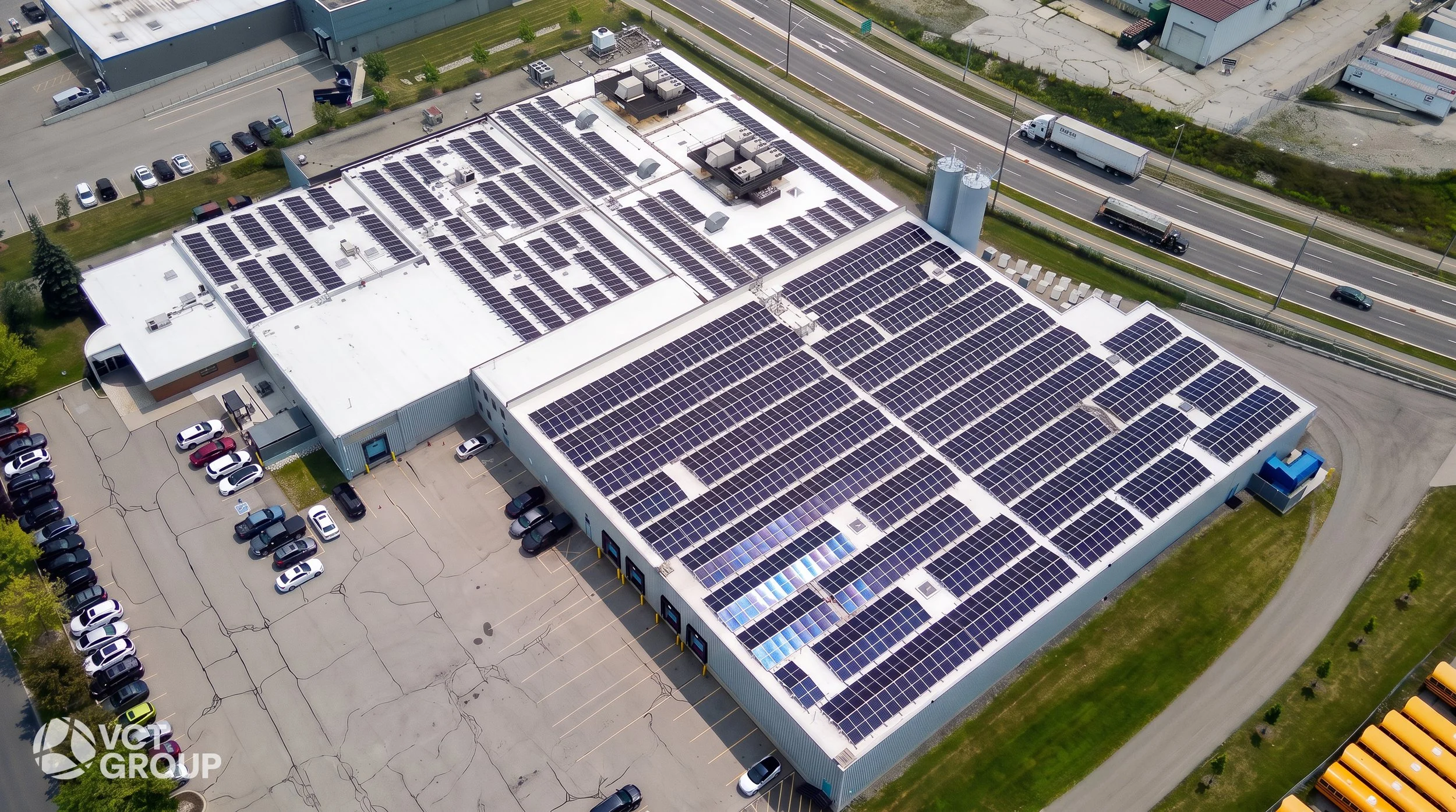
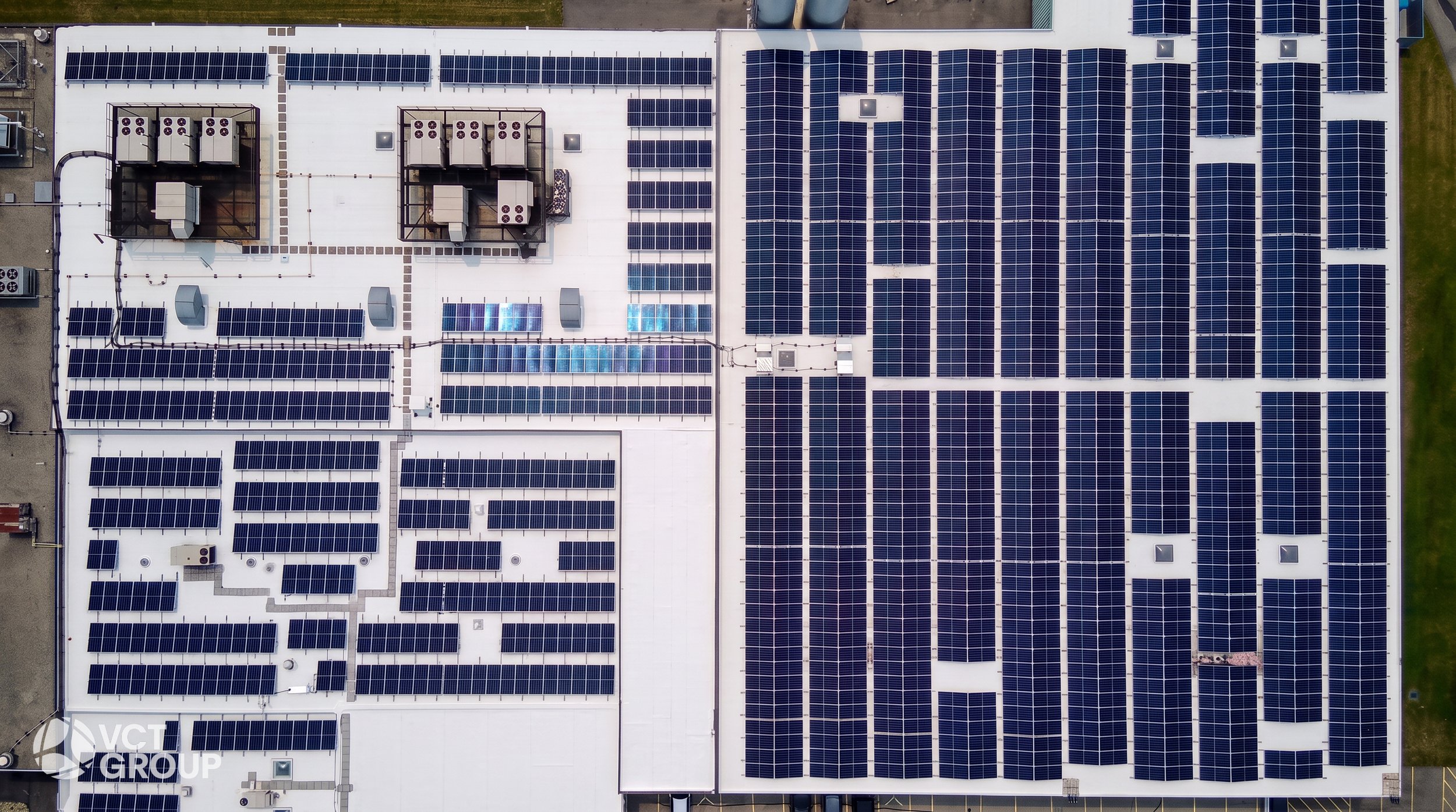
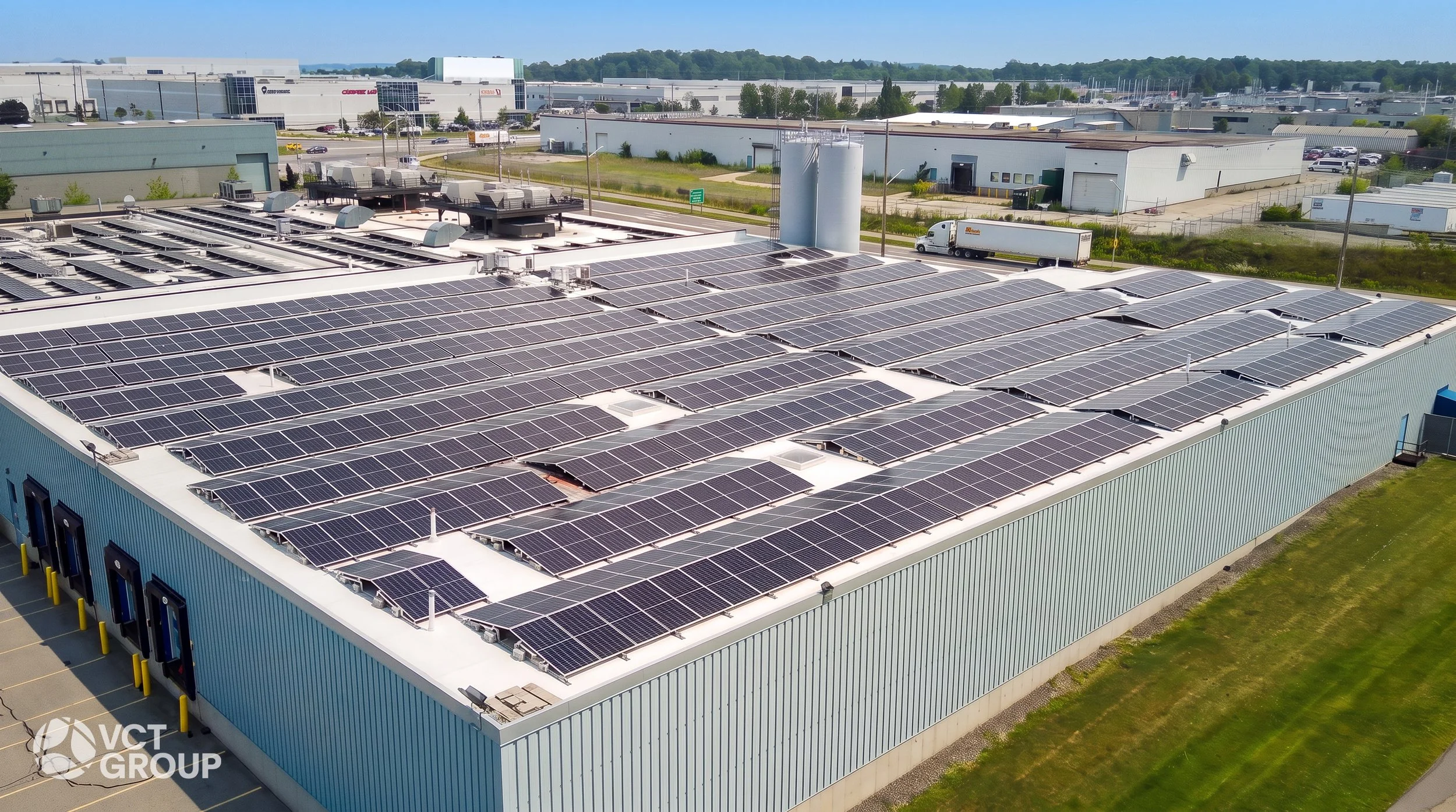
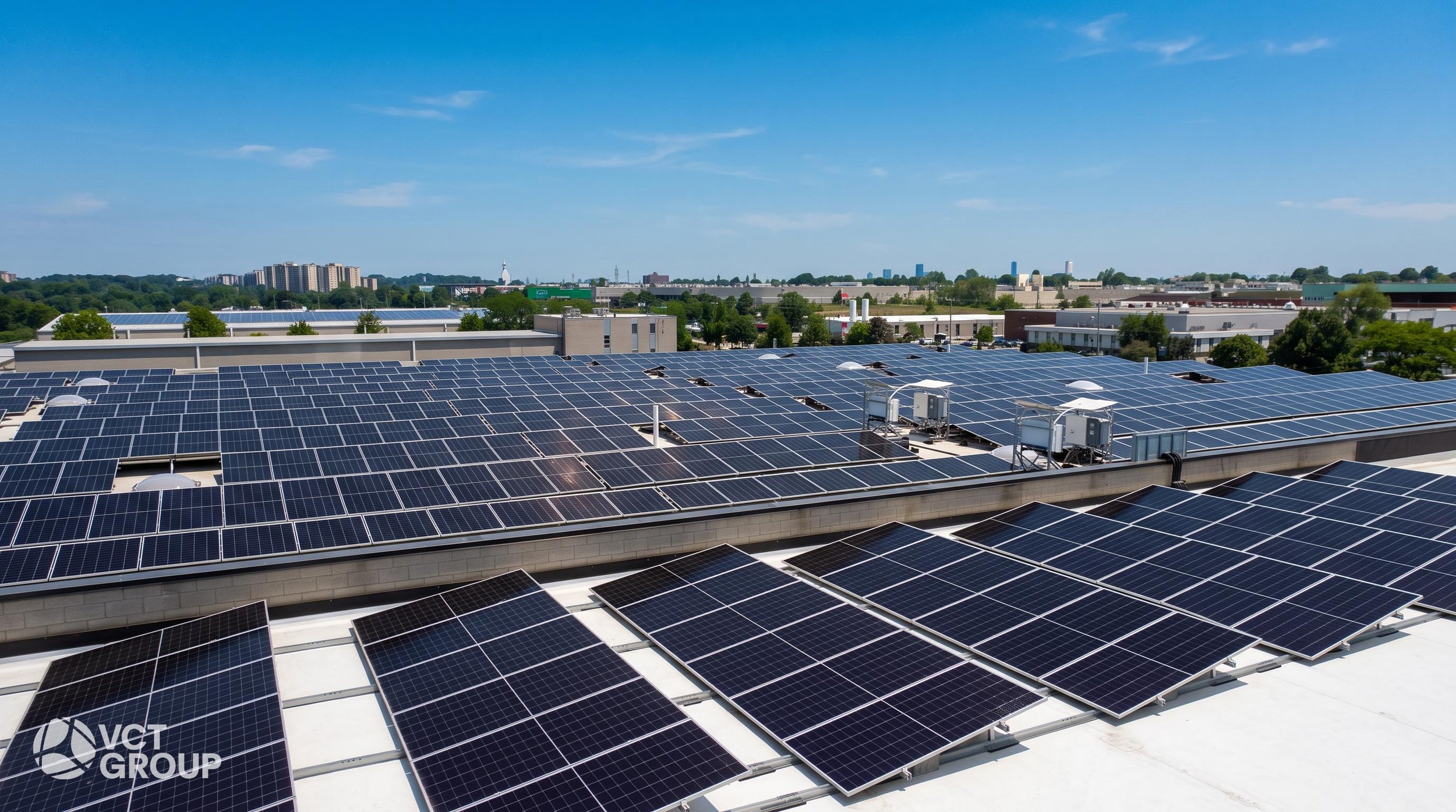
Solar Rooftop Array - Kitchener, Ontario

888 kW
DC
750 kW
AC
975,000
kWh generated yearly

1,445
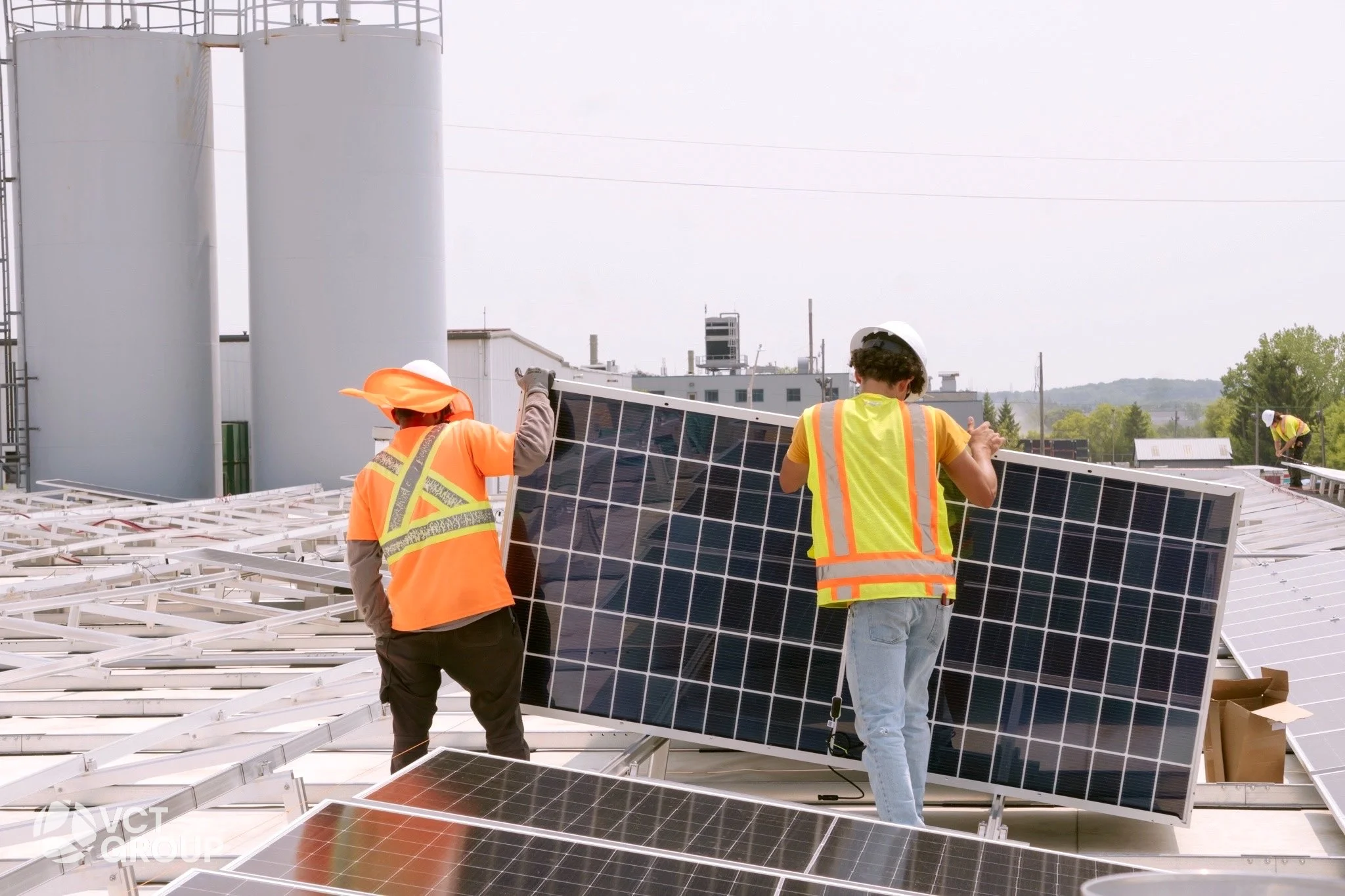
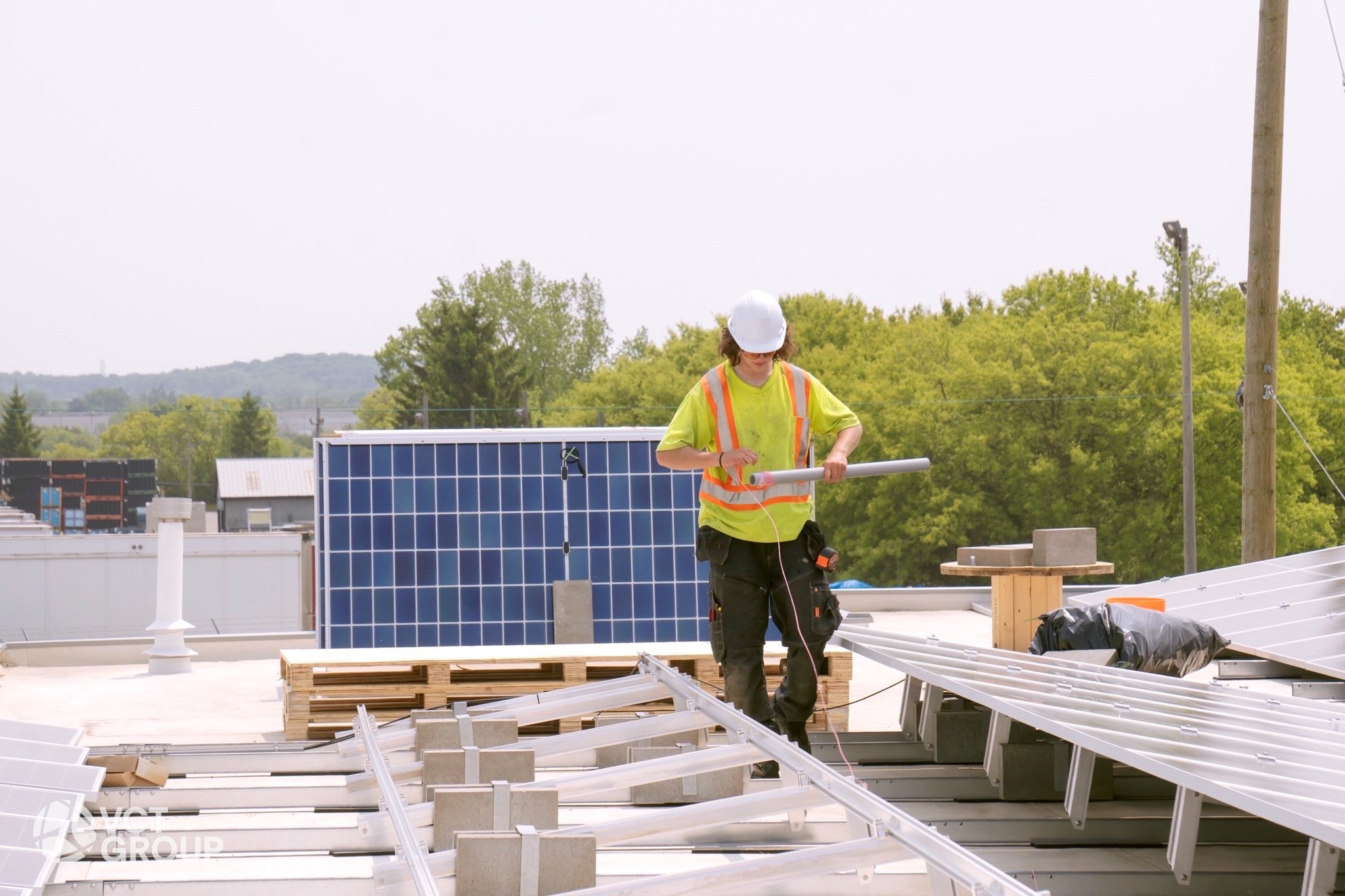
Panels Used

14,296
Tons of CO2 Emissions Saved (Tons/25yr)

3,249
Acres of Trees Planted

Pano Cap Canada Ltd
Powering Precision Manufacturing with Commercial Solar
Pano Cap is a Canadian company specializing in manufacturing stock and custom plastic closures and caps for packaging, running electricity-intensive injection molding lines around the clock. As energy costs climbed, the team — which has expanded its commitment to sustainability — began looking for a way to cut operating costs without slowing production.
Commercial solar stood out as the clearest path to long-term savings while reinforcing the company's environmental values. Like many manufacturers with high, consistent energy draw, Pano Cap needed a system sized for serious industrial load, not a token rooftop array.


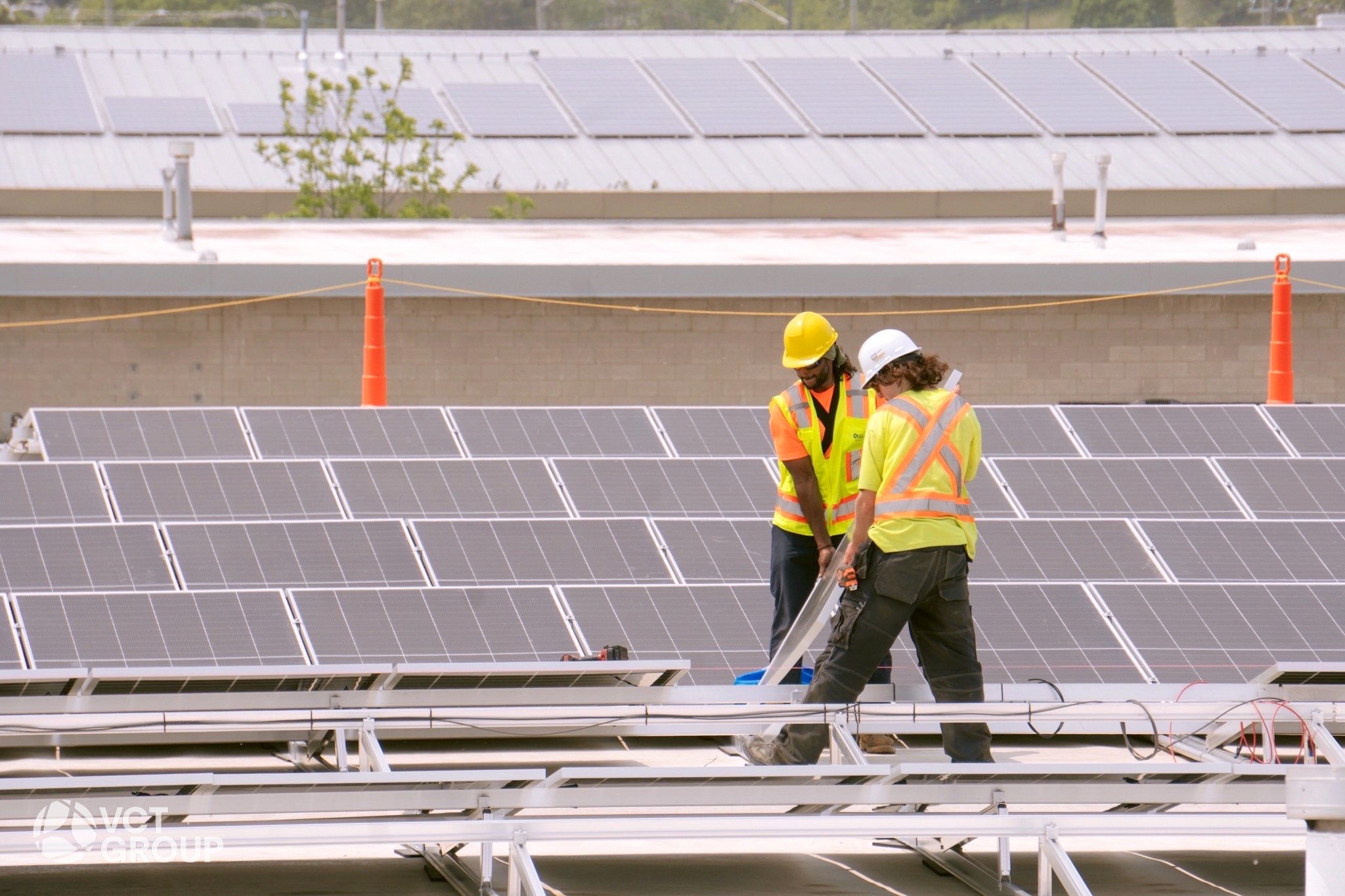
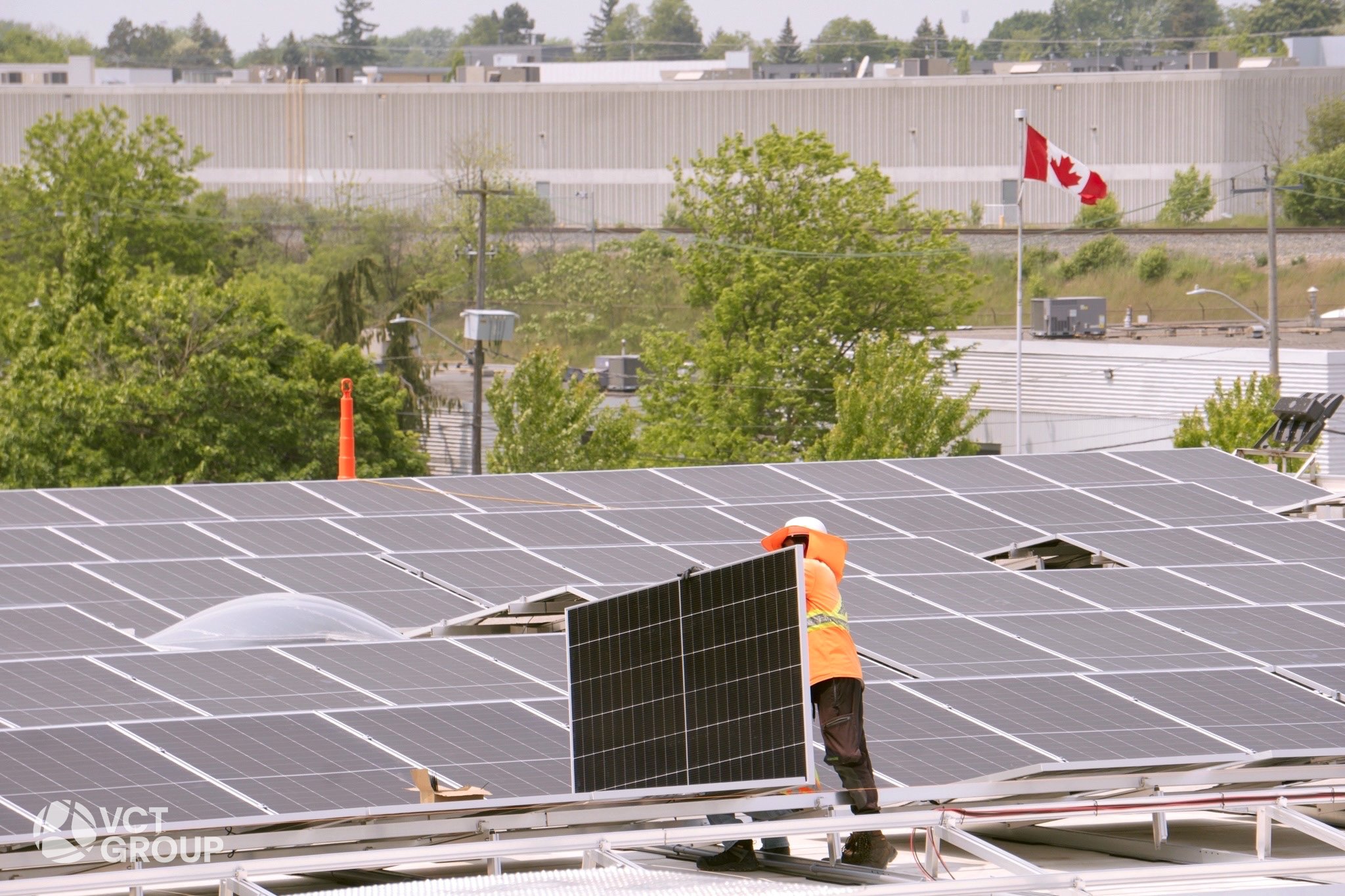
Net Metering System
Maximizing Every Kilowatt for a High-Draw Manufacturer
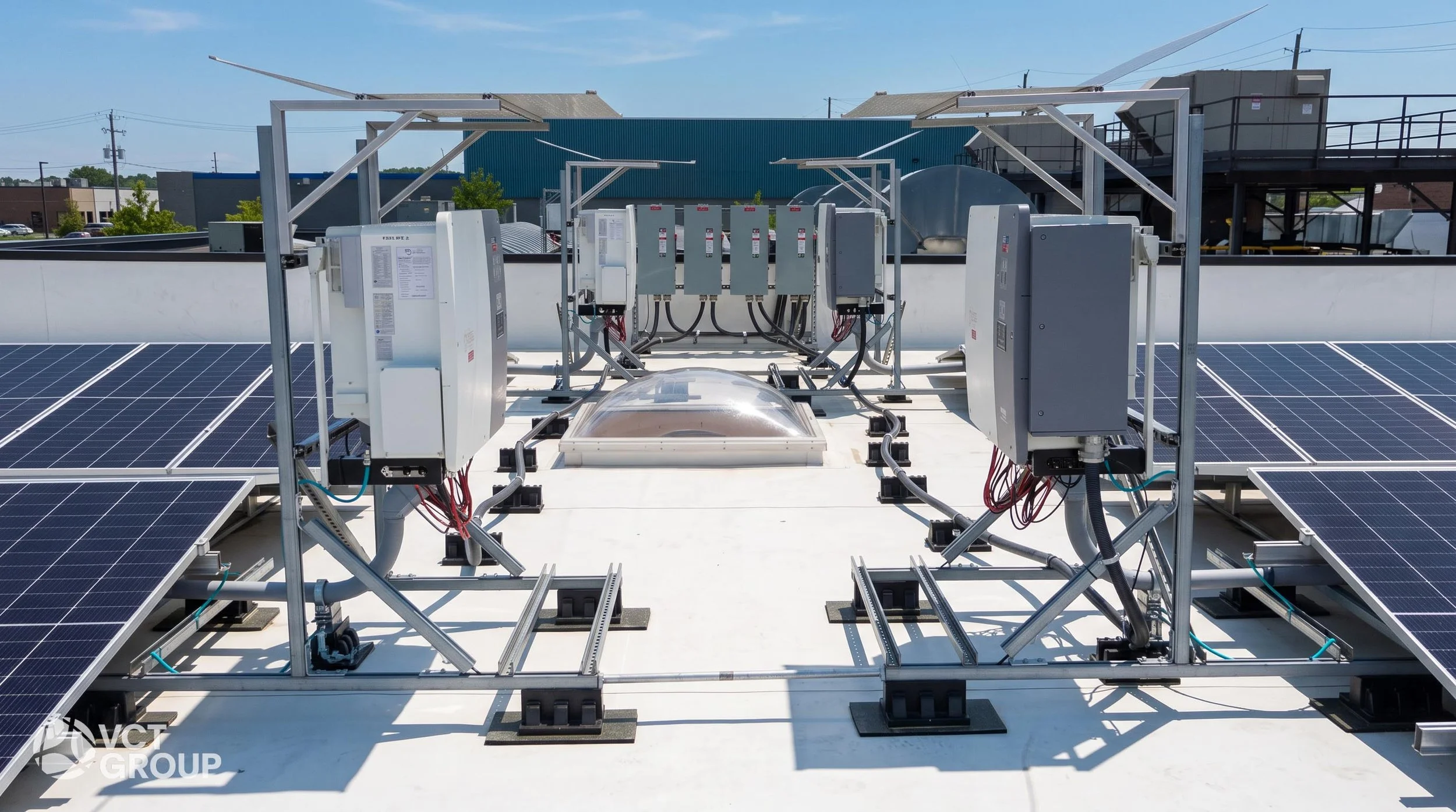
Pano Cap's solar project was important due to the facility’s substantial and continuous electricity demand; a net metering system was the clear choice over load displacement. Net metering allows a facility to generate solar power and receive credit for any surplus sent back to the grid, maximizing total energy production and long-term offset — ideal for a Class A industrial customer with heavy injection-molding loads.
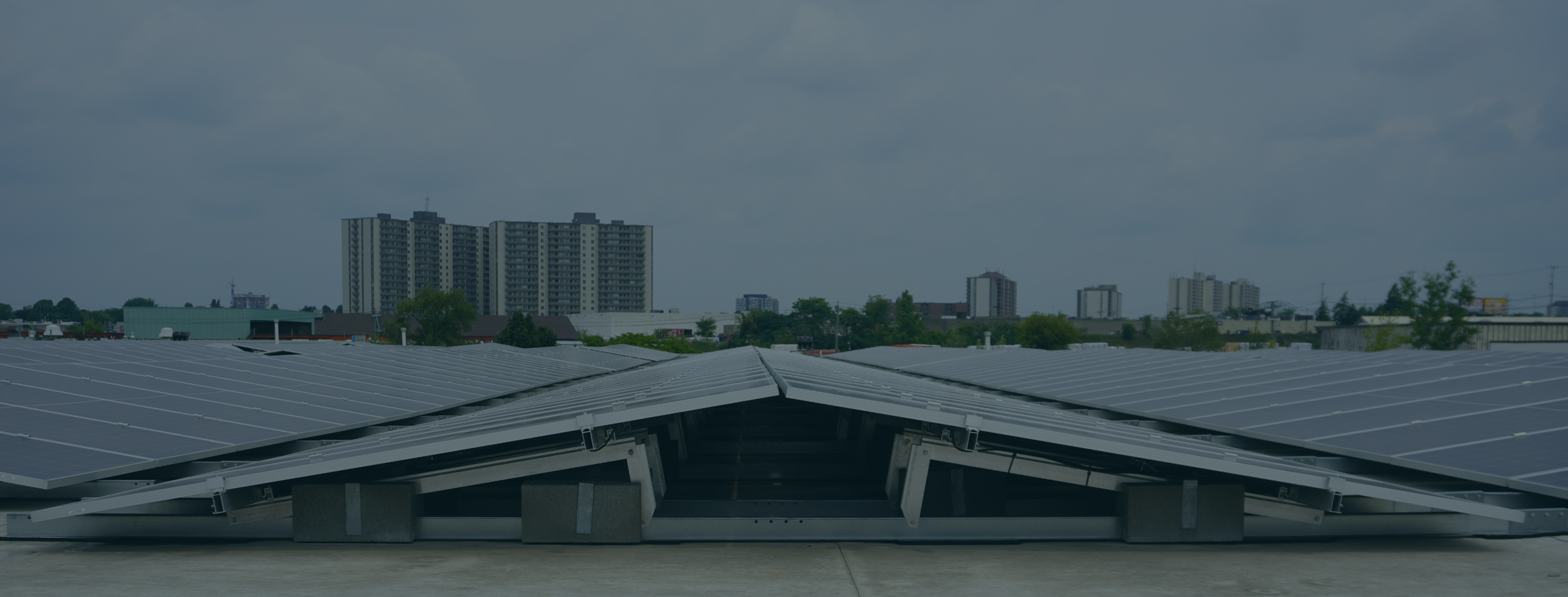
By contrast, load displacement is typically grant-driven and best suited to sites where modeled clipping stays below roughly 20%. To maximize output, portions of the array use an east-west panel configuration for higher density, resulting in a high-performance system.
Class A vs Class B
Ontario splits electricity customers into two GA (Global Adjustment) billing classes:
Class A — Large industrial/commercial users (like Pano Cap) enrolled in the Industrial Conservation Initiative. They pay GA based on their share of usage during Ontario's five annual peak-demand hours, rewarding them for reducing draw during those windows.
Class B — Most other businesses, who pay GA based on total monthly consumption, with no peak-hour incentive.
As a Class A manufacturer, Pano Cap’s costs hinge on peak-hour management — which is part of why net metering (maximizing total solar generation) fit them better than load displacement.
Clean Technology
Investment Tax Credit (CT ITC)
Pano Cap's project was supported by the 30% Clean Technology Investment Tax Credit (ITC), a federal incentive that offsets a significant portion of eligible capital costs for businesses investing in clean energy equipment like solar.
For manufacturers weighing the upfront investment against long-term energy savings, the ITC materially improves payback timelines and overall project economics. Other available incentives — including accelerated capital cost allowance and select provincial and utility programs — can further improve returns depending on eligibility.