
Rockway Mennonite College
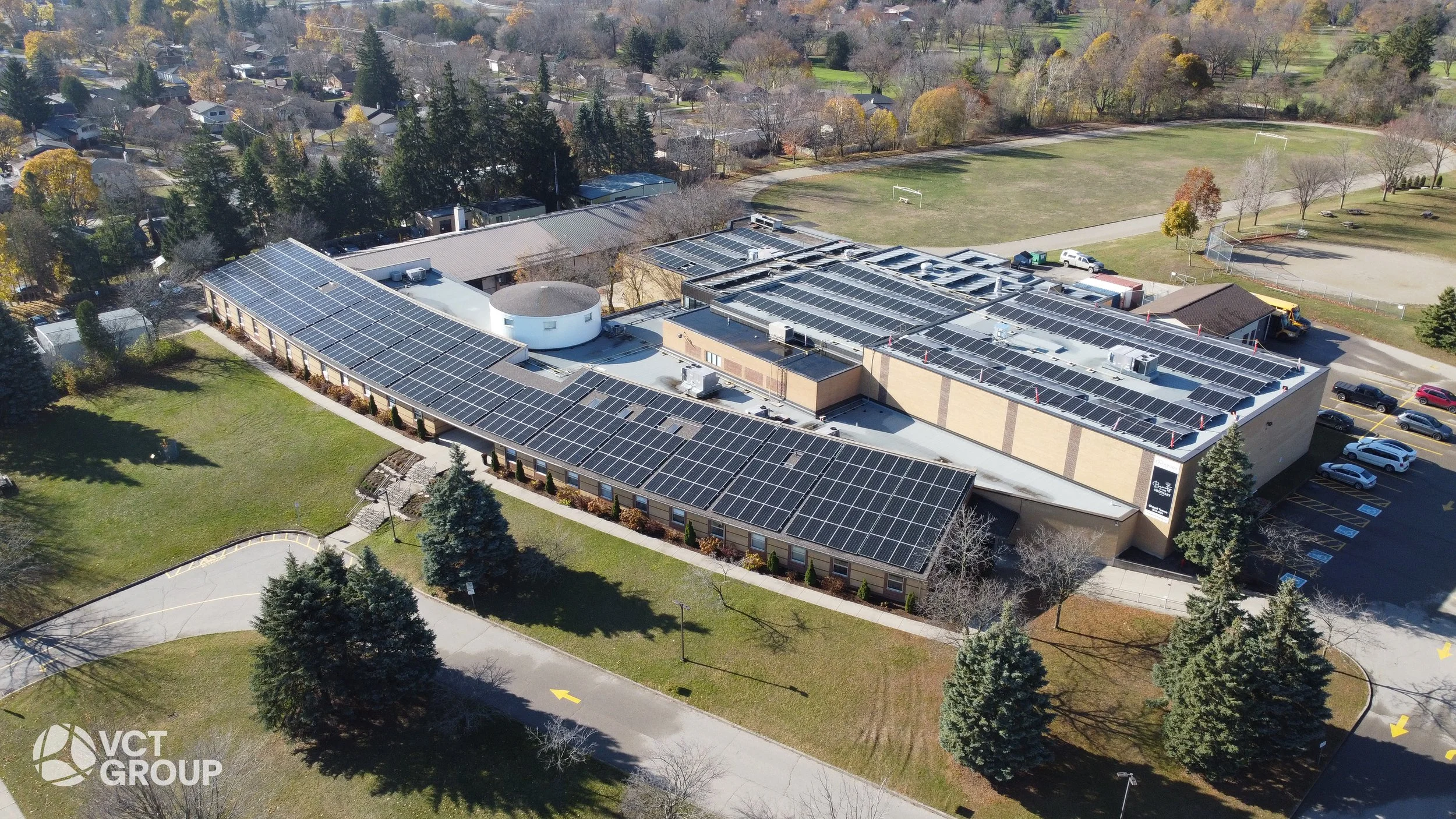
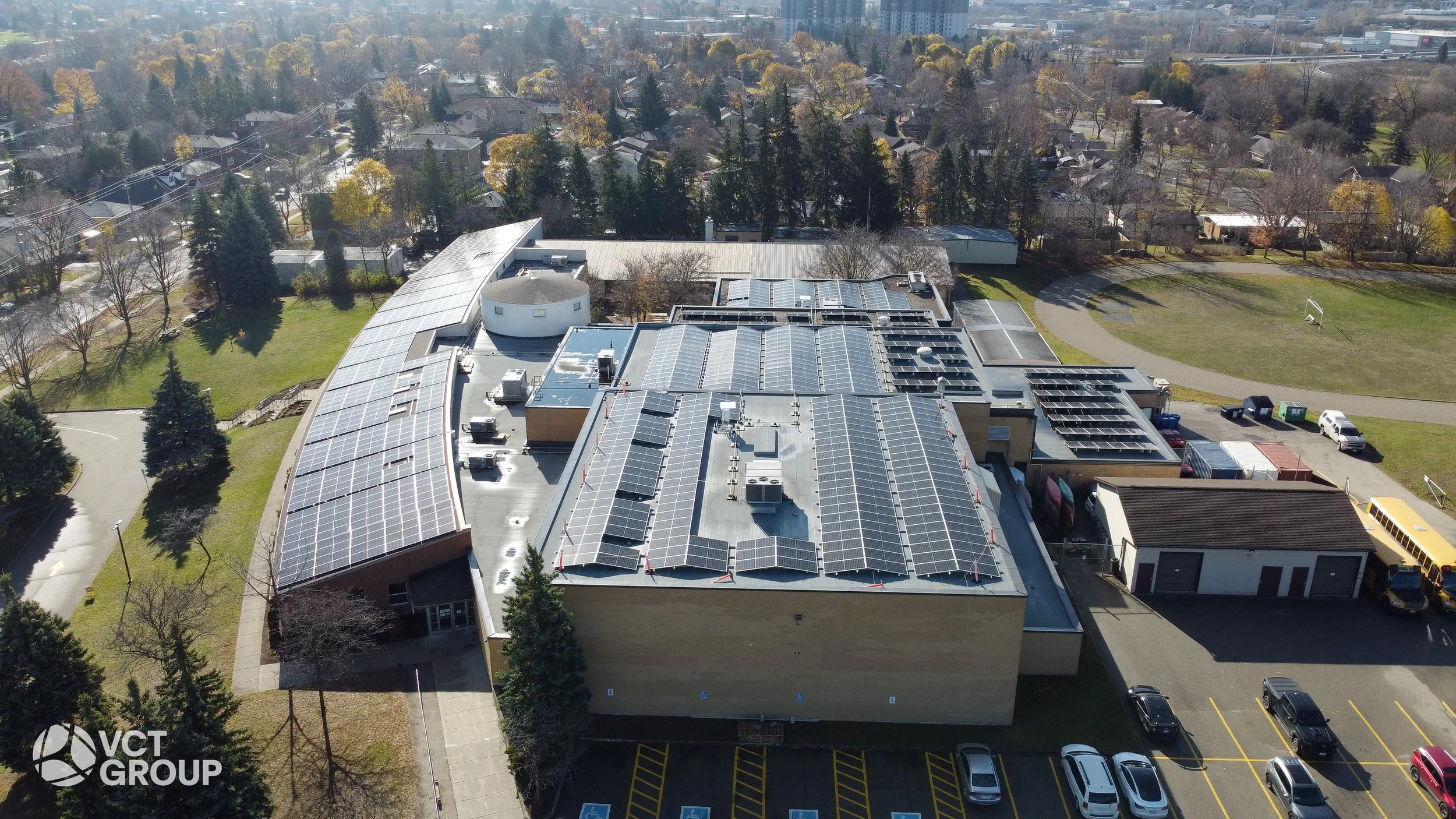
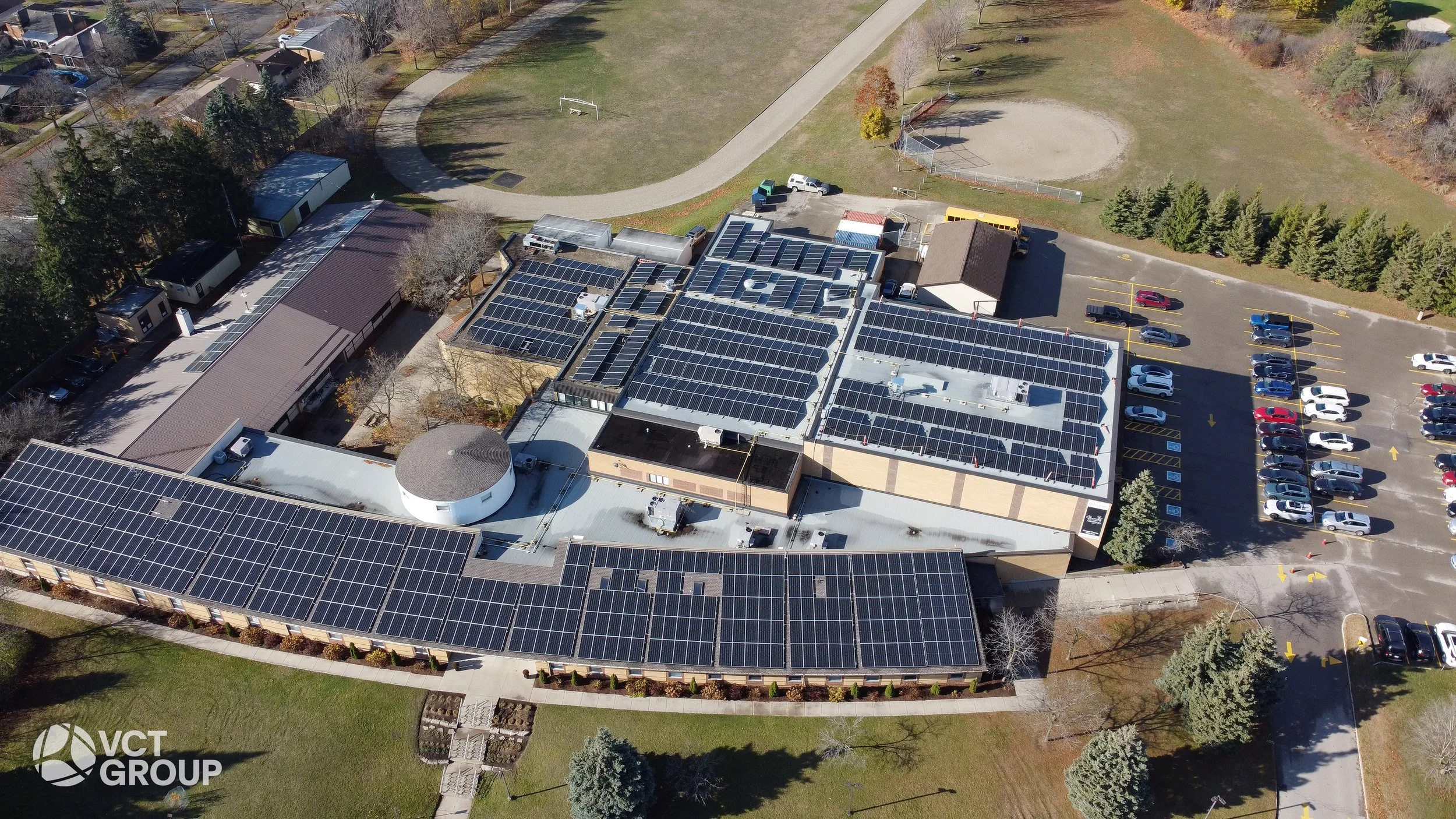
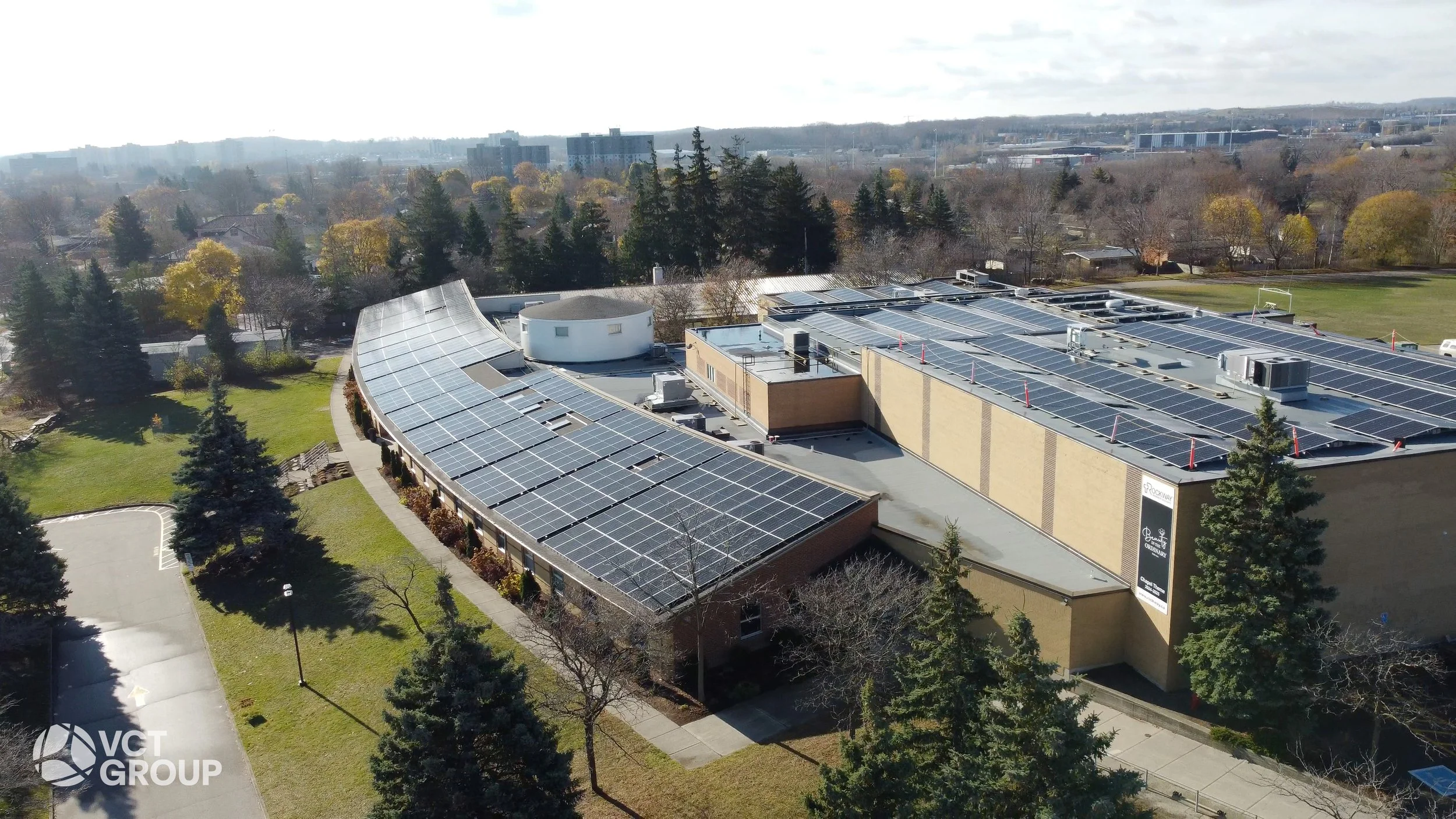
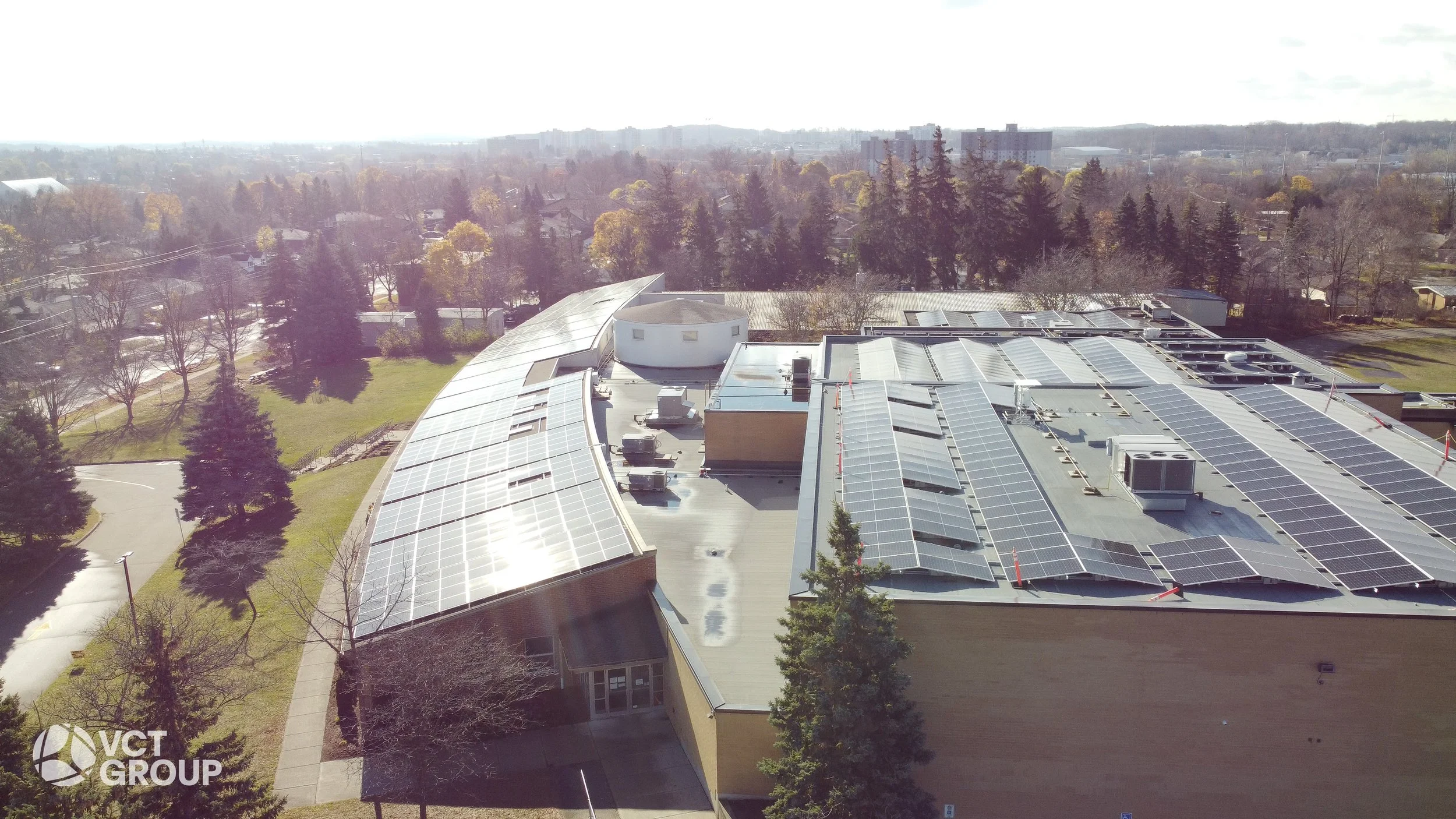
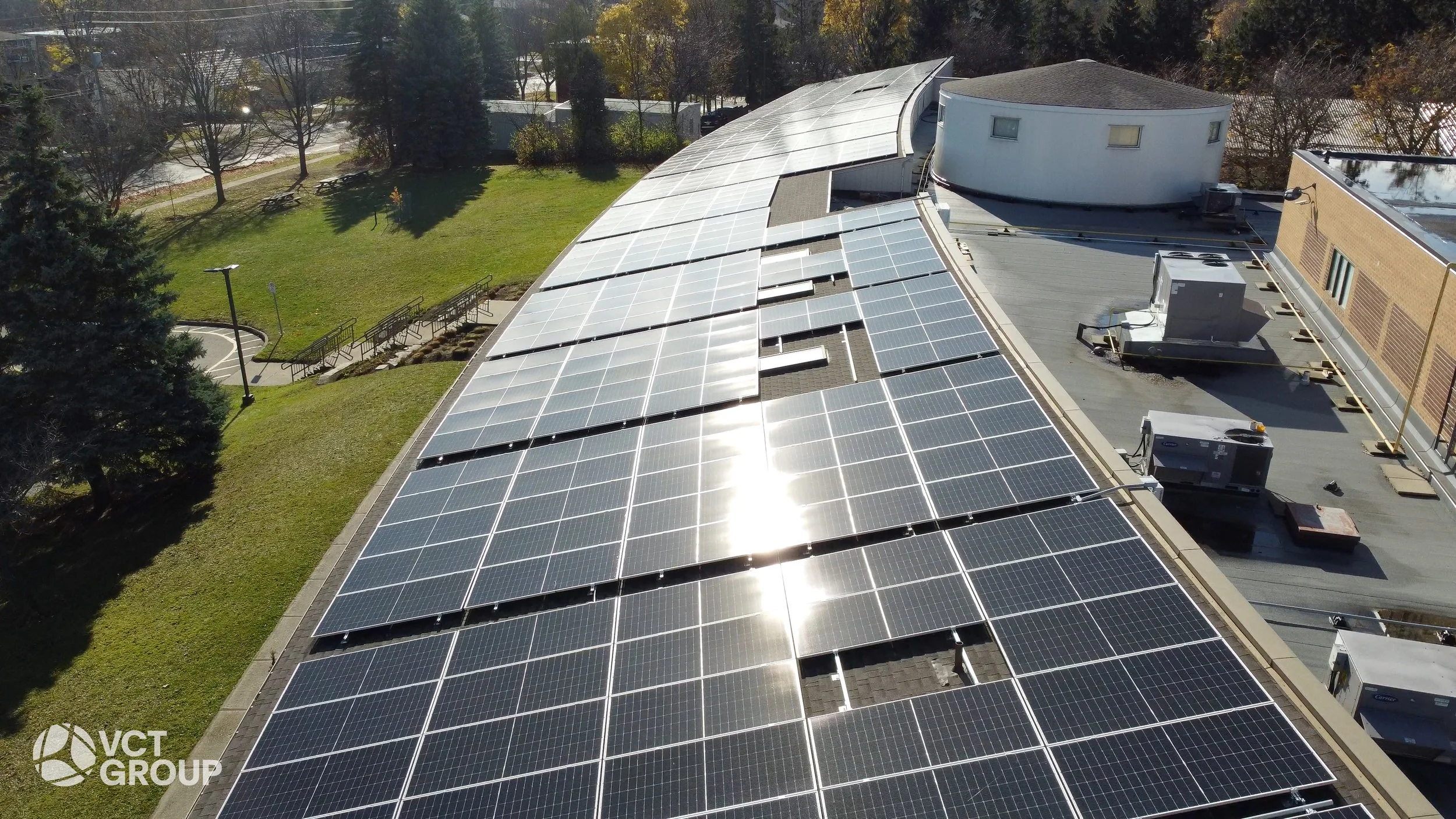
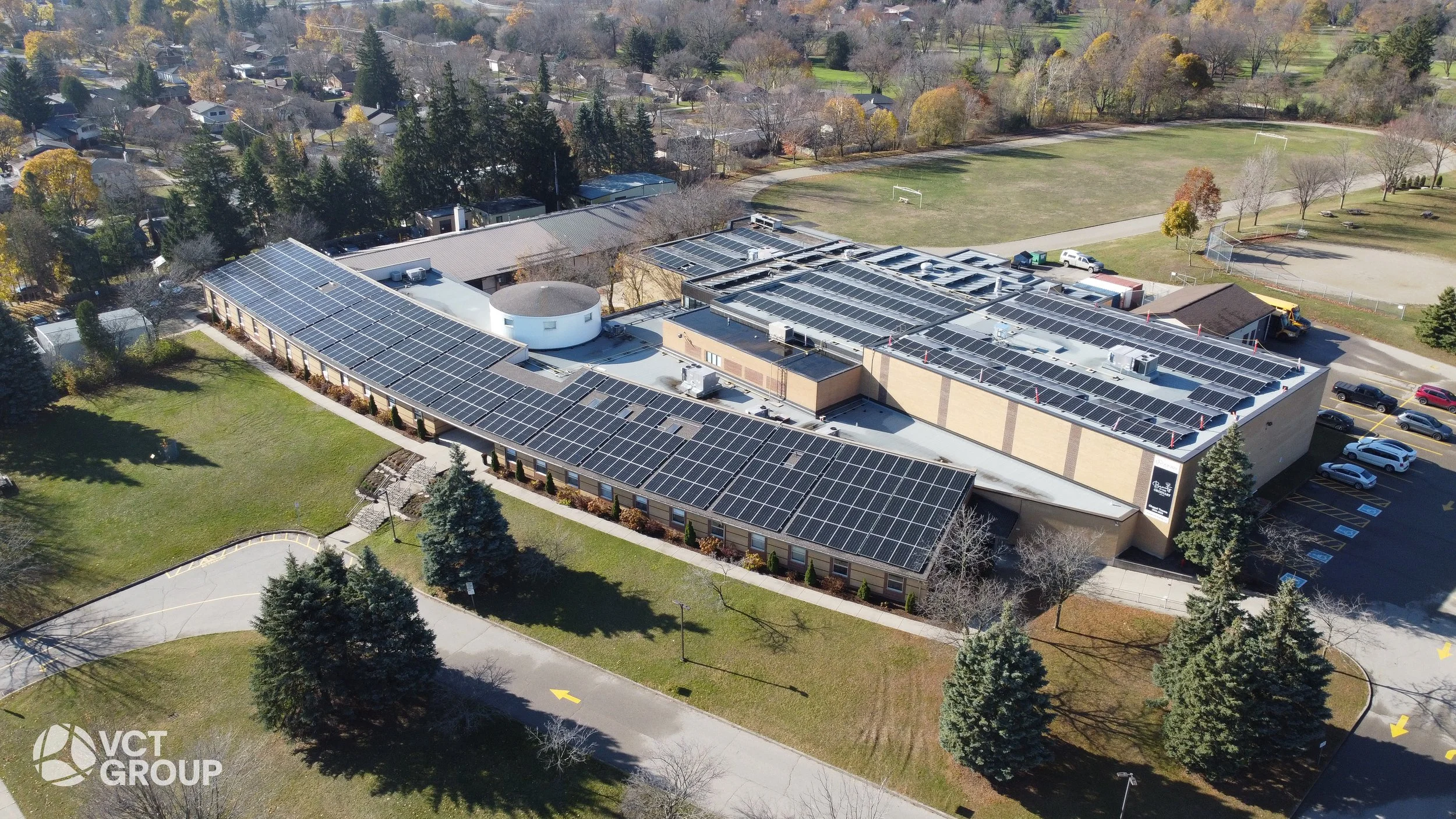
Solar Rooftop - Kitchener, Ontario

500 kW
DC
375 kW
AC
525,000
kWh generated yearly

850
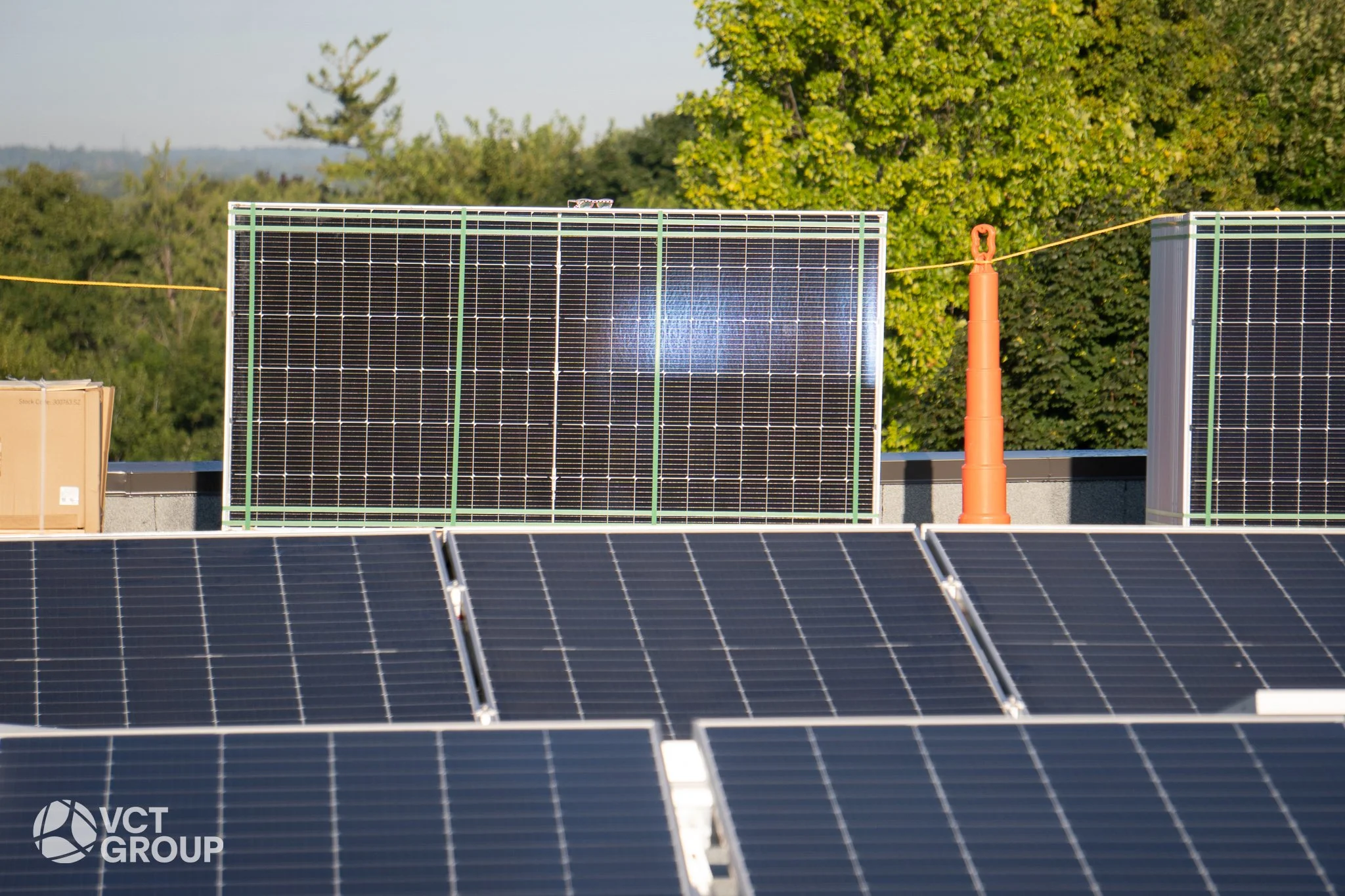
Panels Used

5,746
Tons of CO2 Emissions Saved (Tons/25yr)

13,215
Barrels of oil saved over 25 years
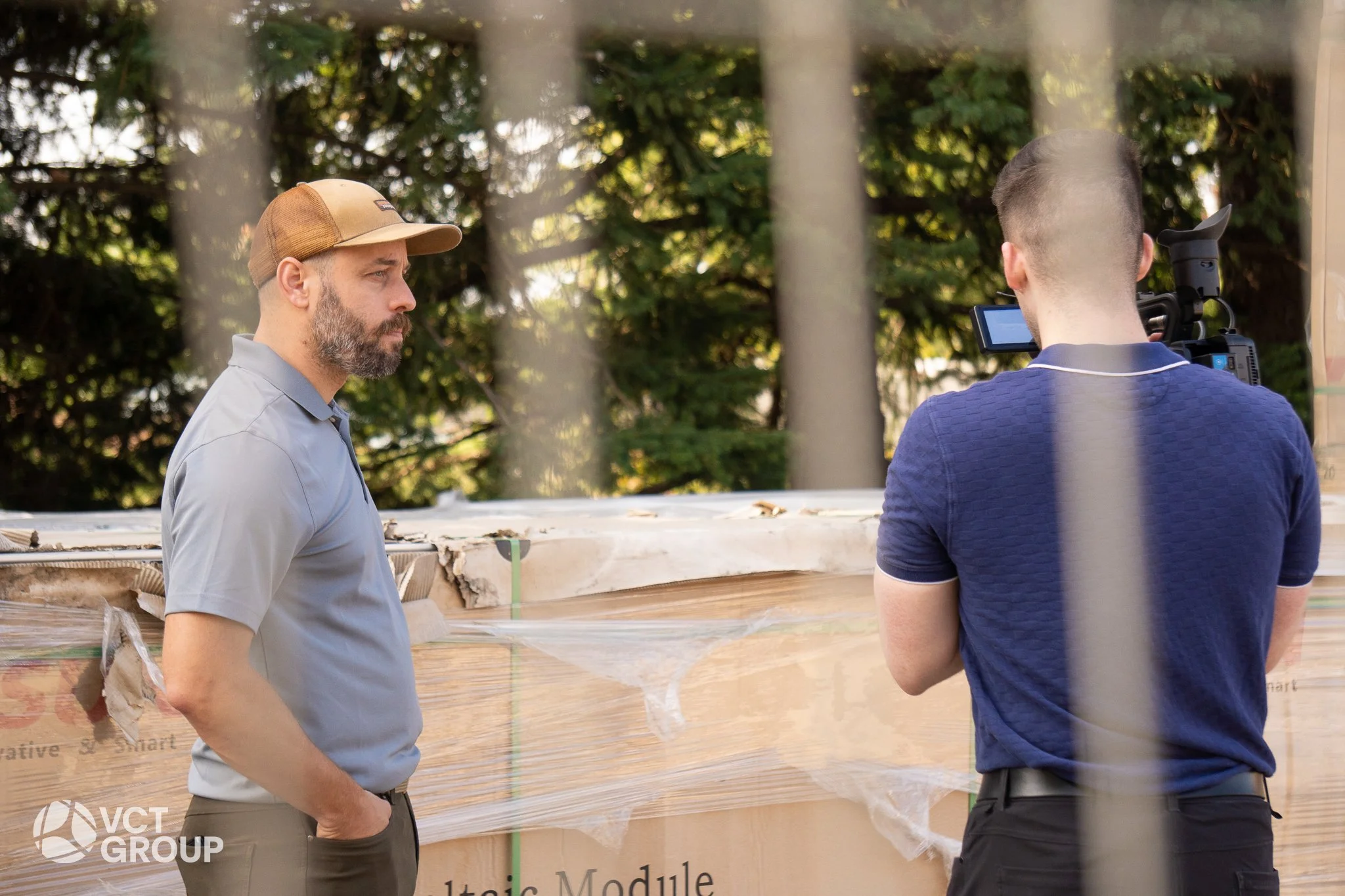
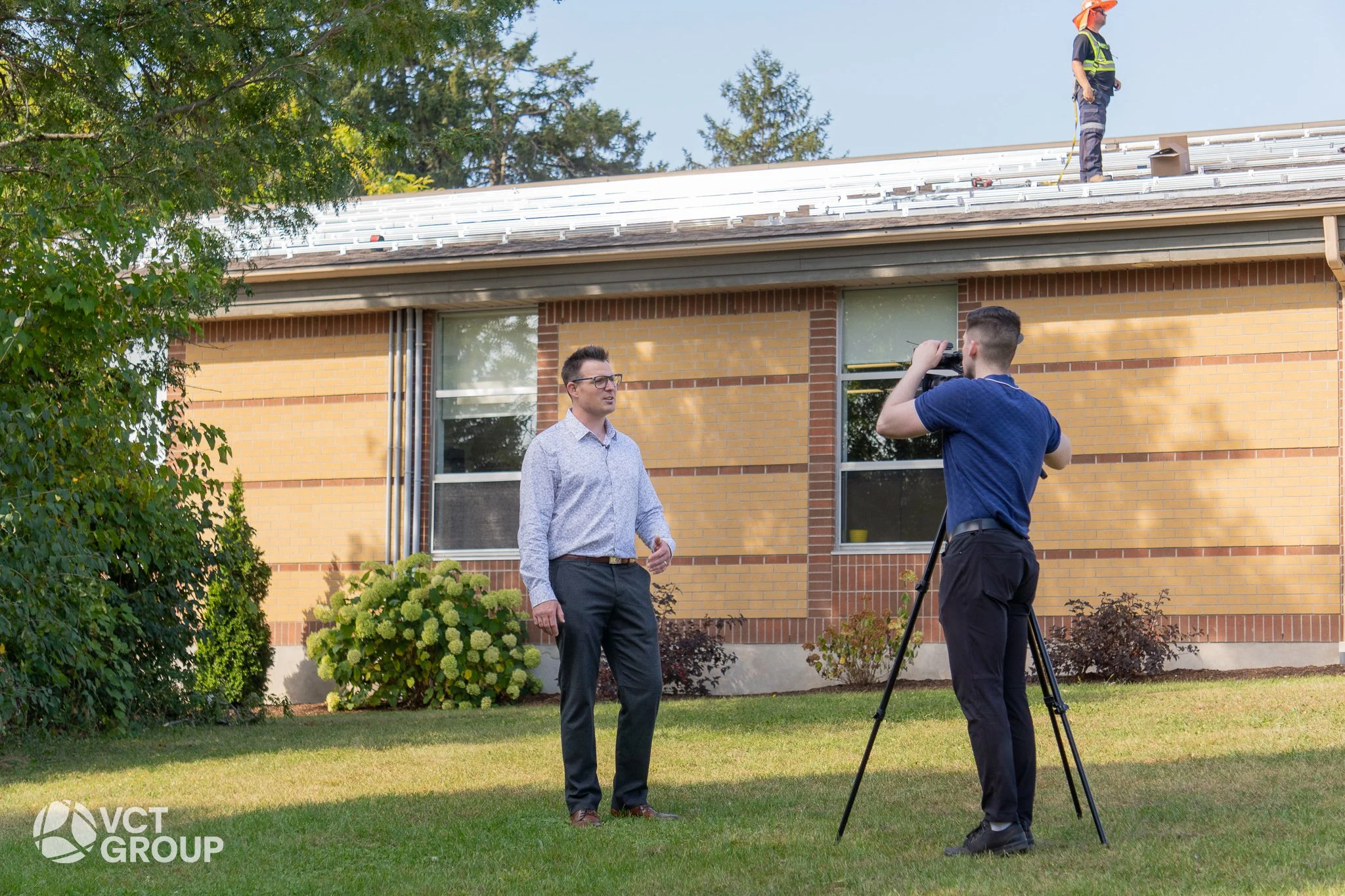
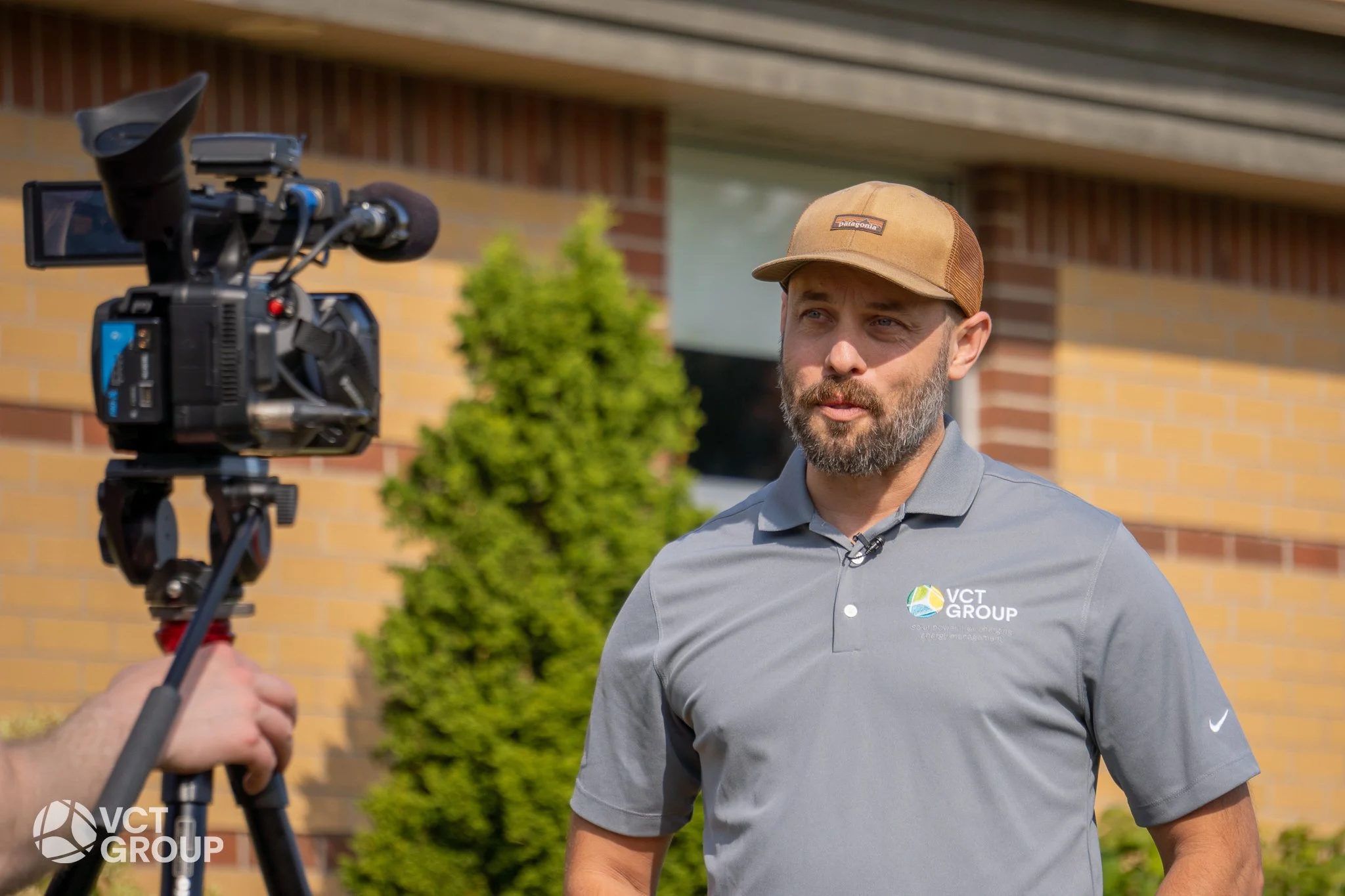
As seen on CTV News Kitchener. Read their article here.
Powering a Campus with Purpose
100% solar without spending a dollar upfront
Rockway Mennonite Collegiate is an independent Grade 7–12 school in Kitchener, Ontario, rooted in Mennonite values of community, service, and care for creation. Like many independent schools, Rockway runs on a carefully managed budget, where every dollar spent on operations is a dollar not spent on students. Rising electricity costs and a commitment to environmental stewardship led the school to the same question: how do you cut both energy bills and carbon footprint when capital funds are limited?
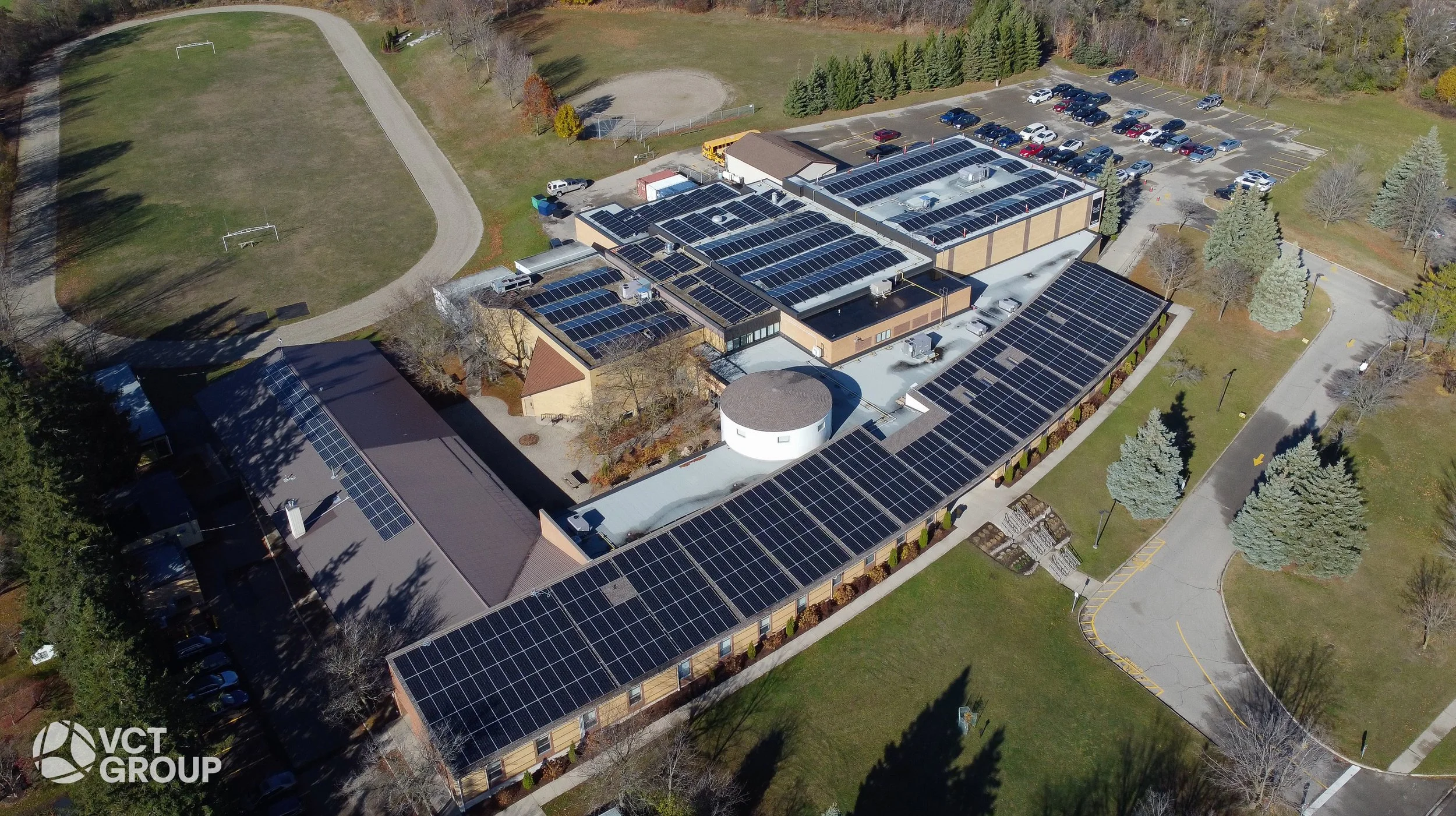
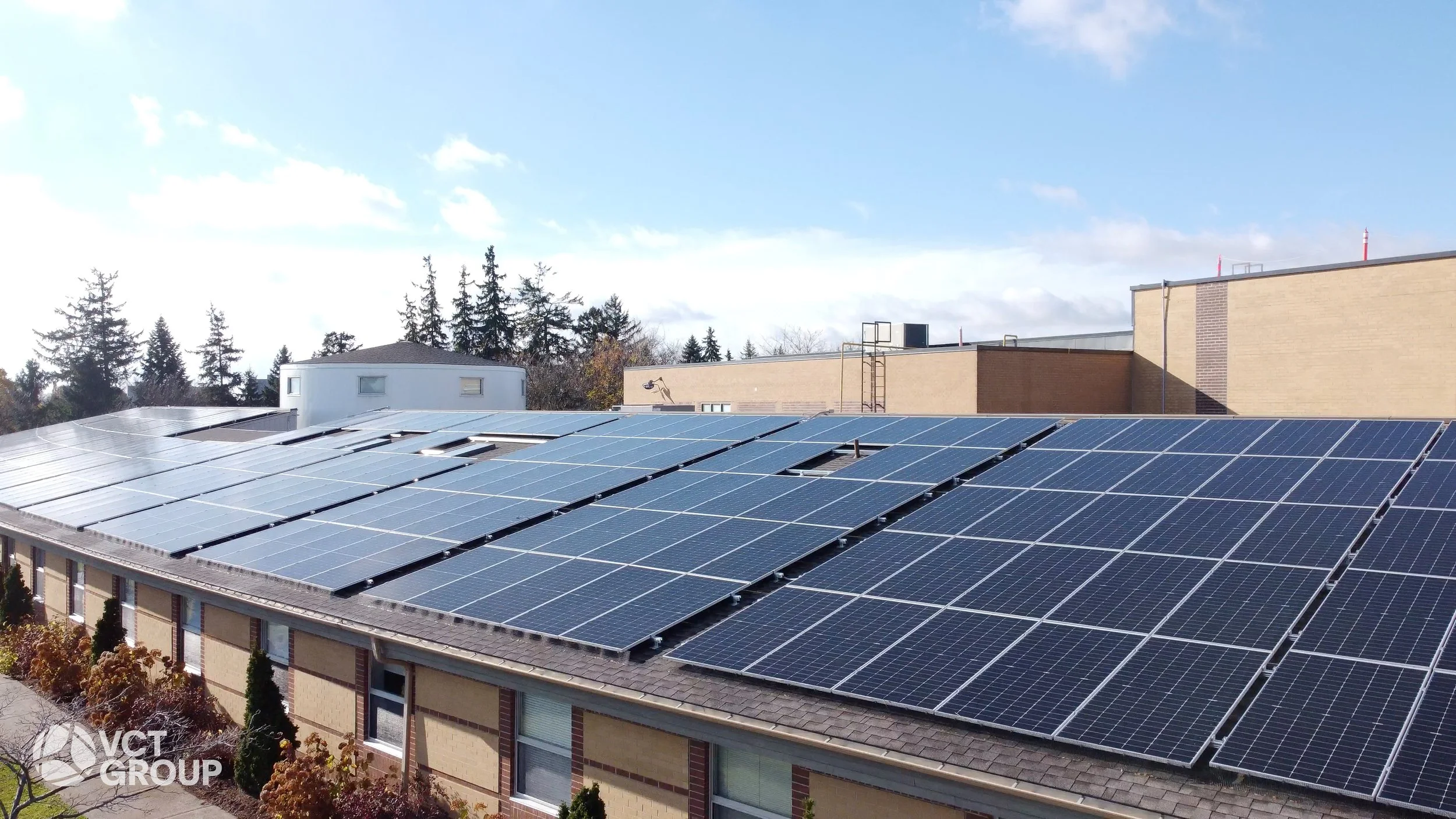
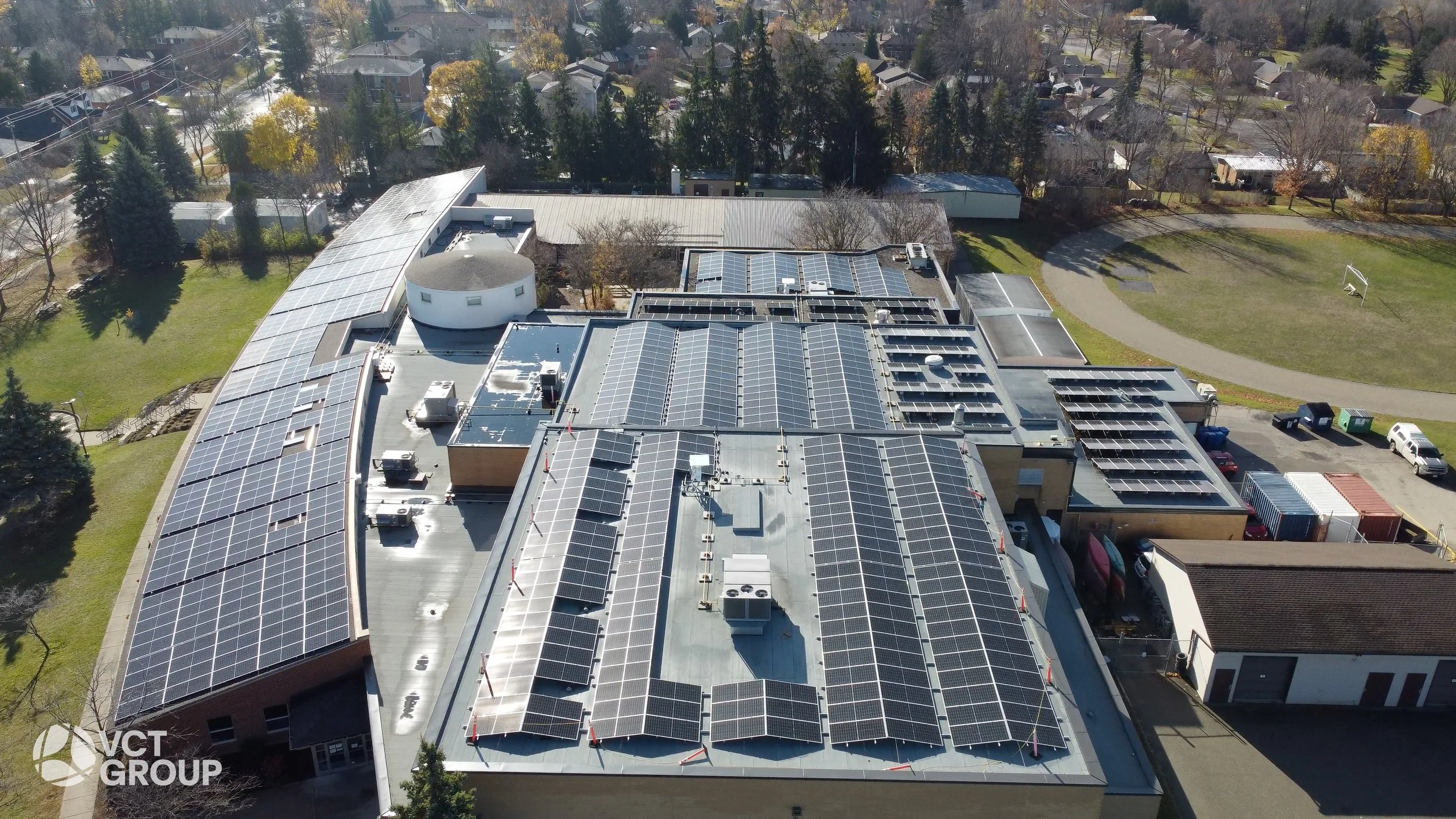
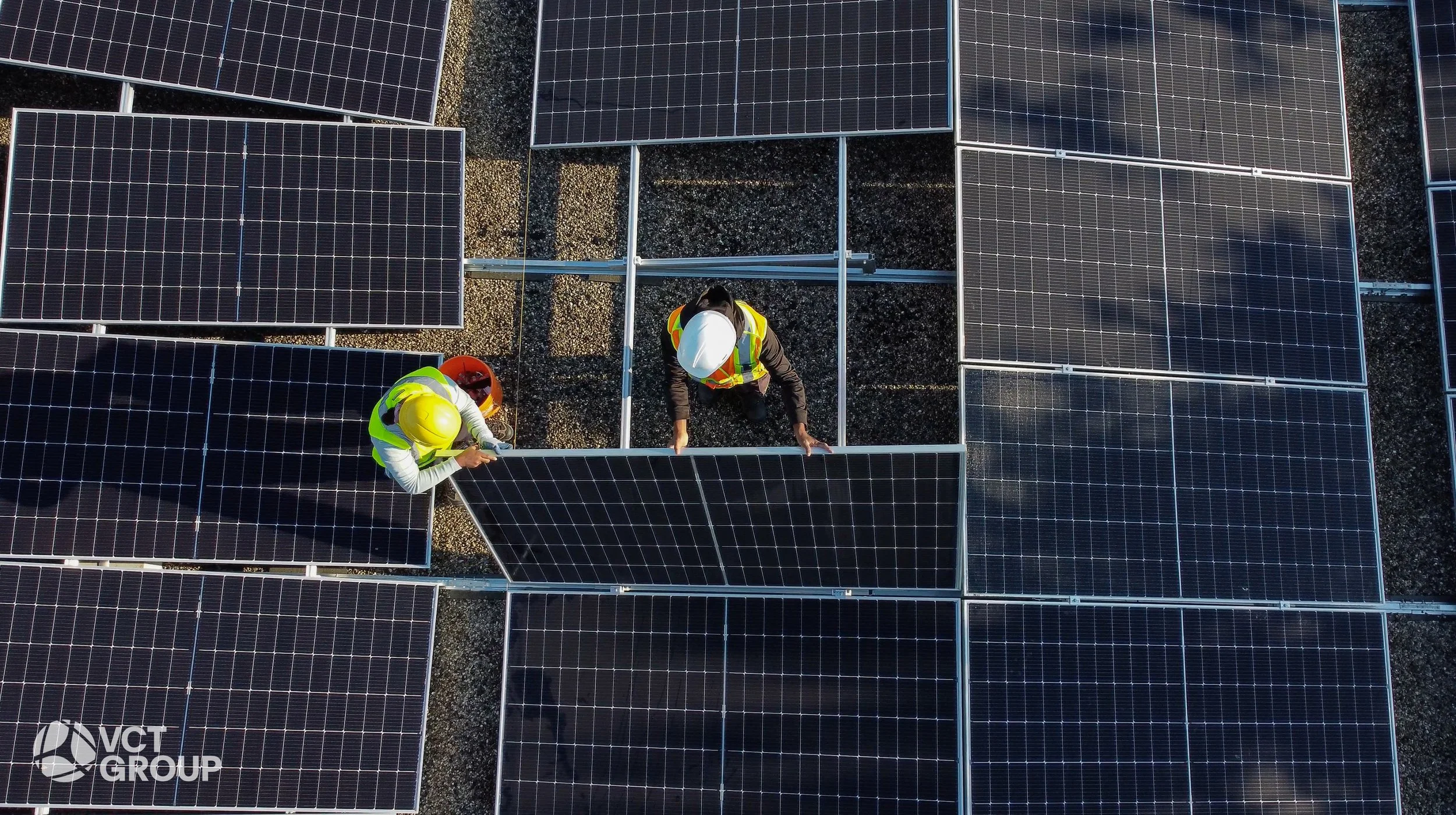
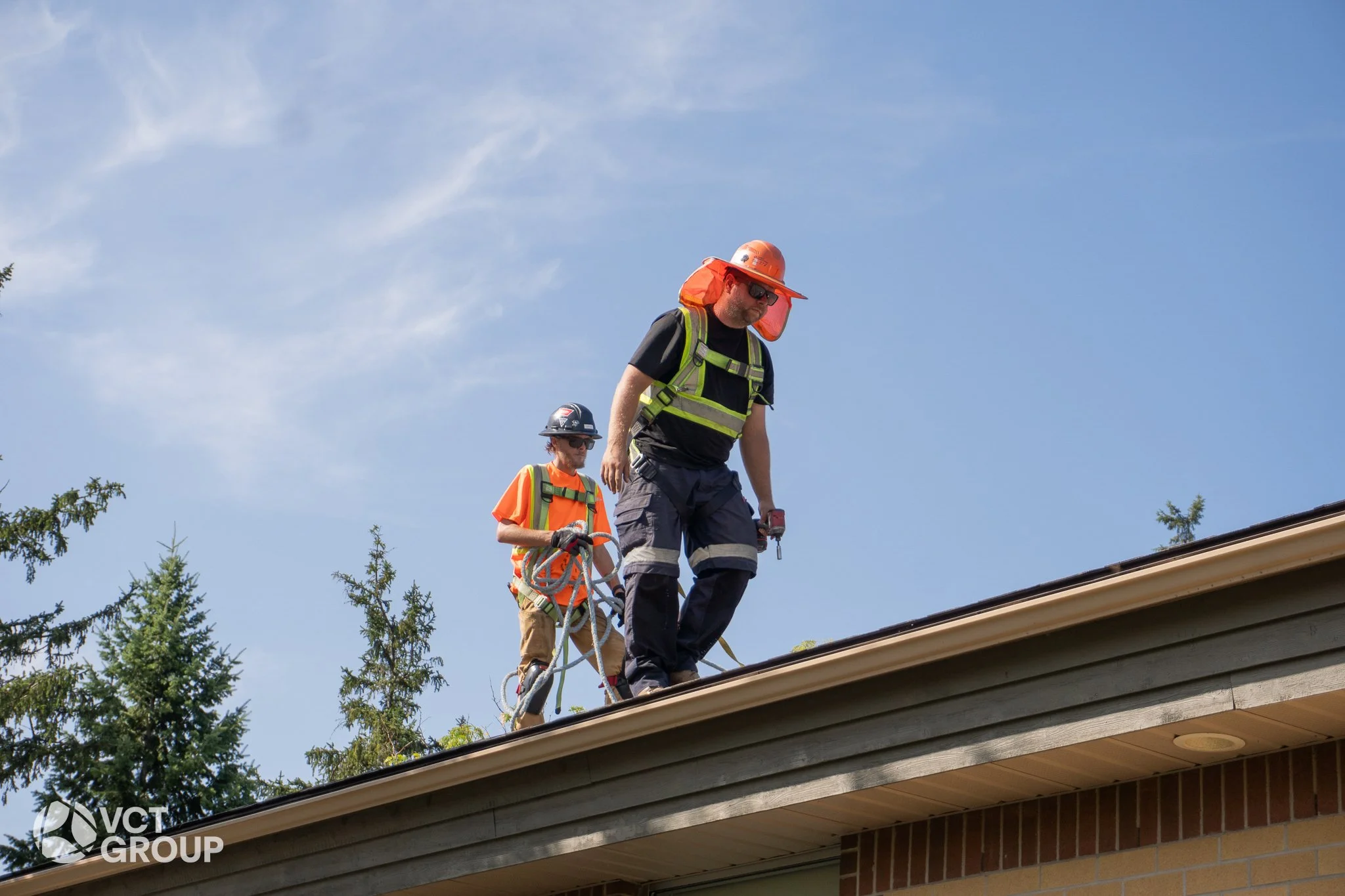
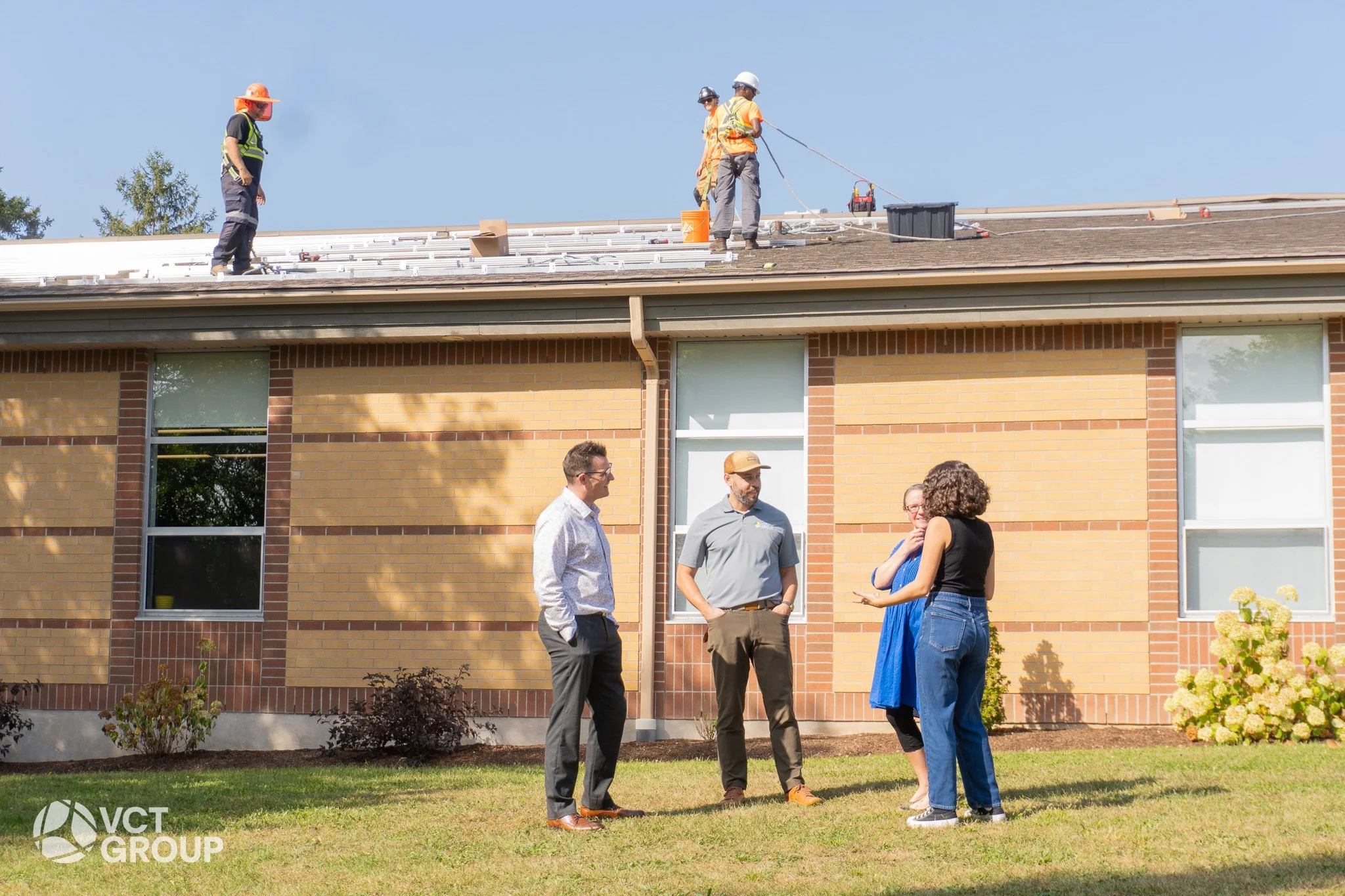
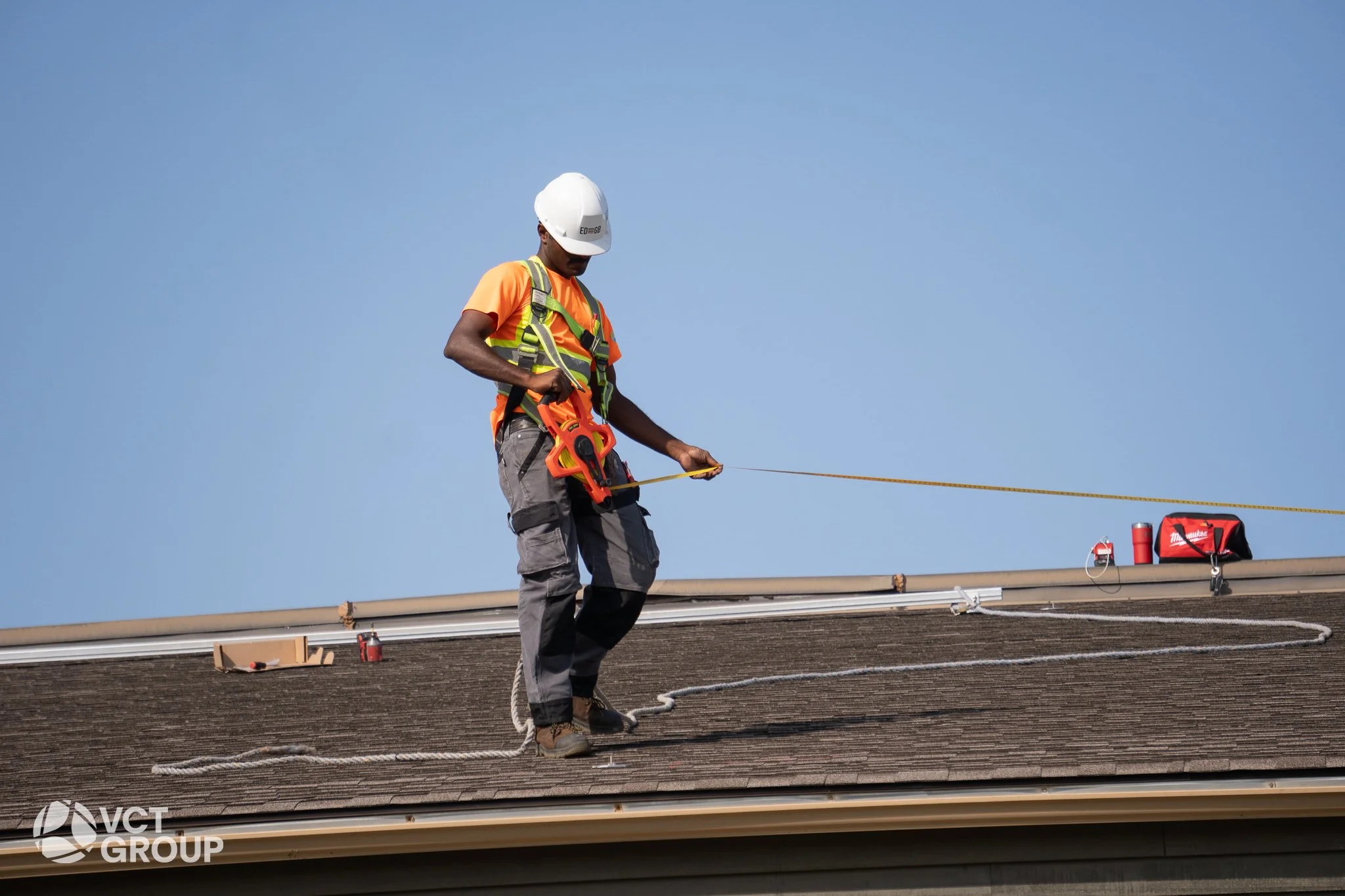
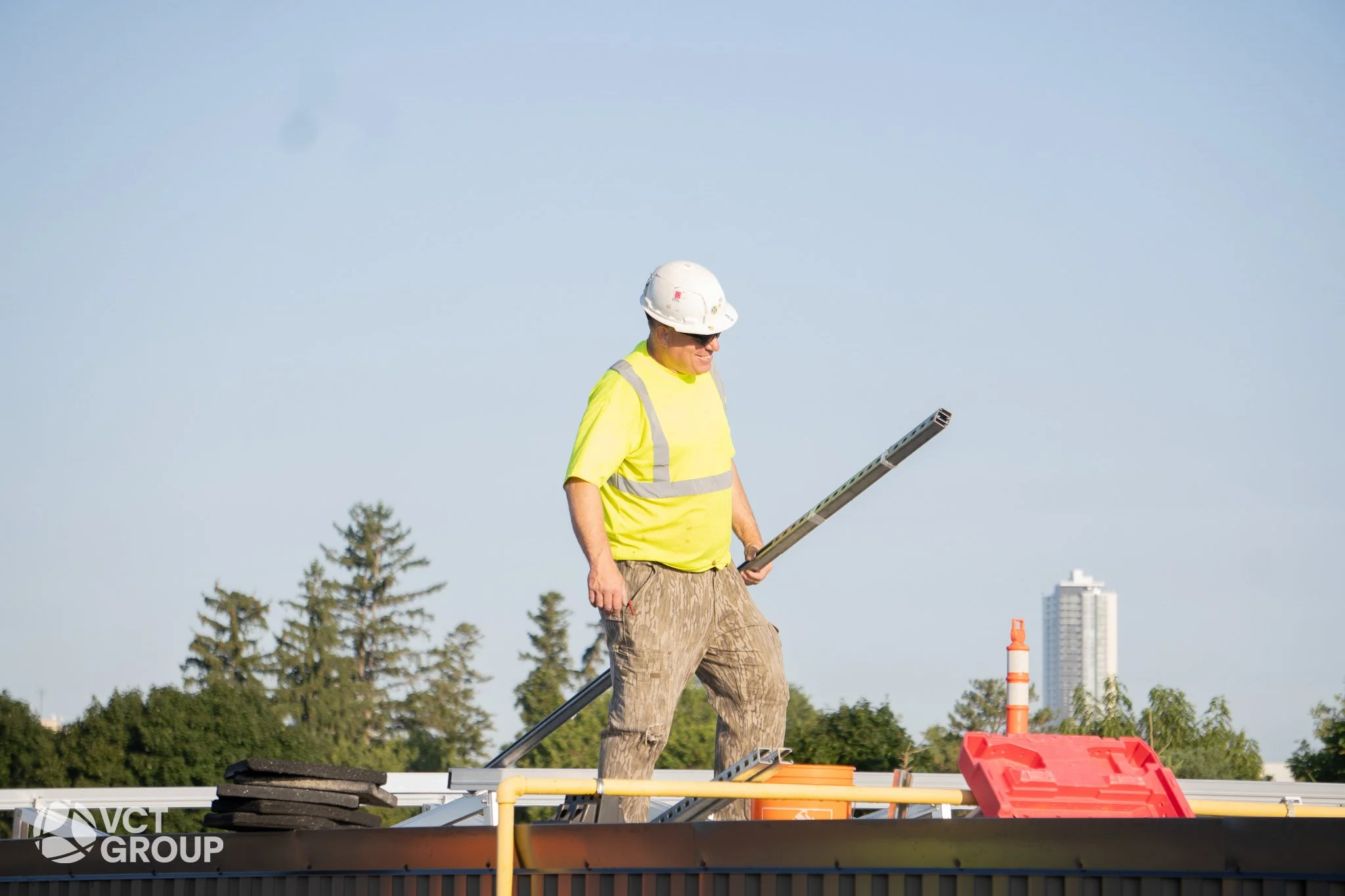
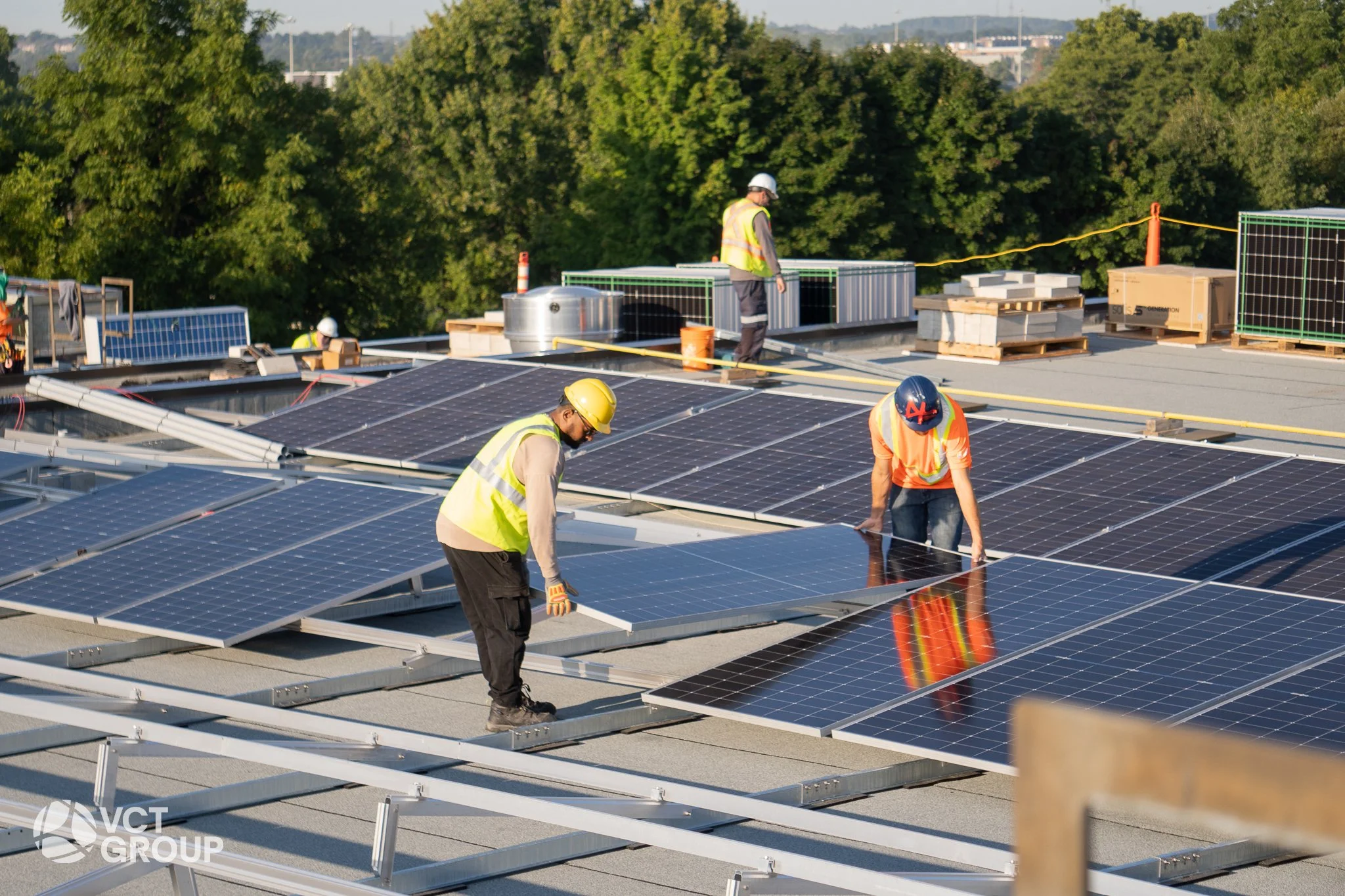
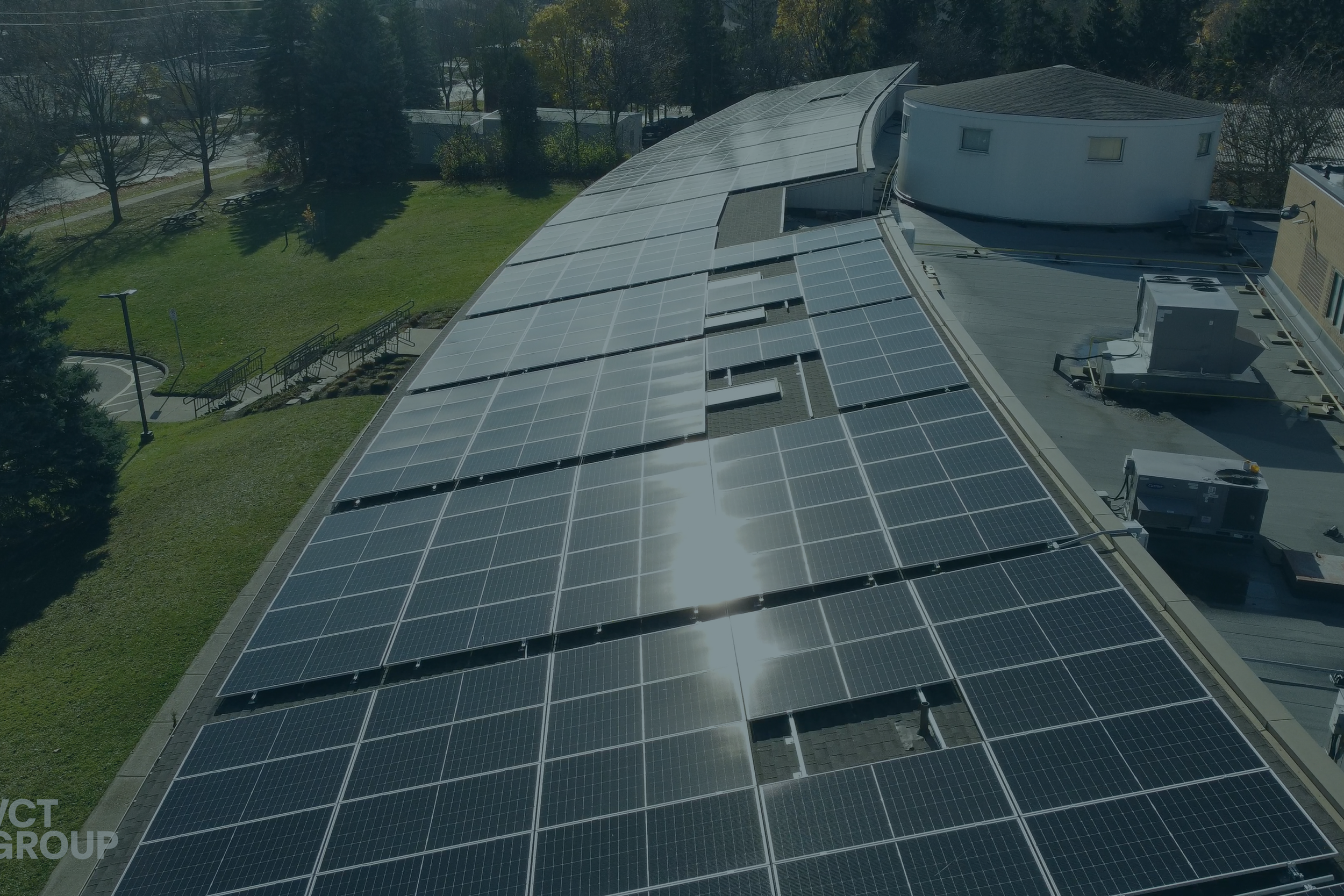
The answer was the roof. VCT Group partnered with CED Co-op to design and install a ballasted rooftop solar system that can meet 100% of the school's energy needs for years to come.
Because the project was built under a Power Purchase Agreement (PPA), CED Co-op funded the full development and construction cost. Rockway gained reliable, emissions-free power with no upfront capital investment, a model well suited to schools, non-profits, and faith-based organizations that want to lead on sustainability without straining their budgets.

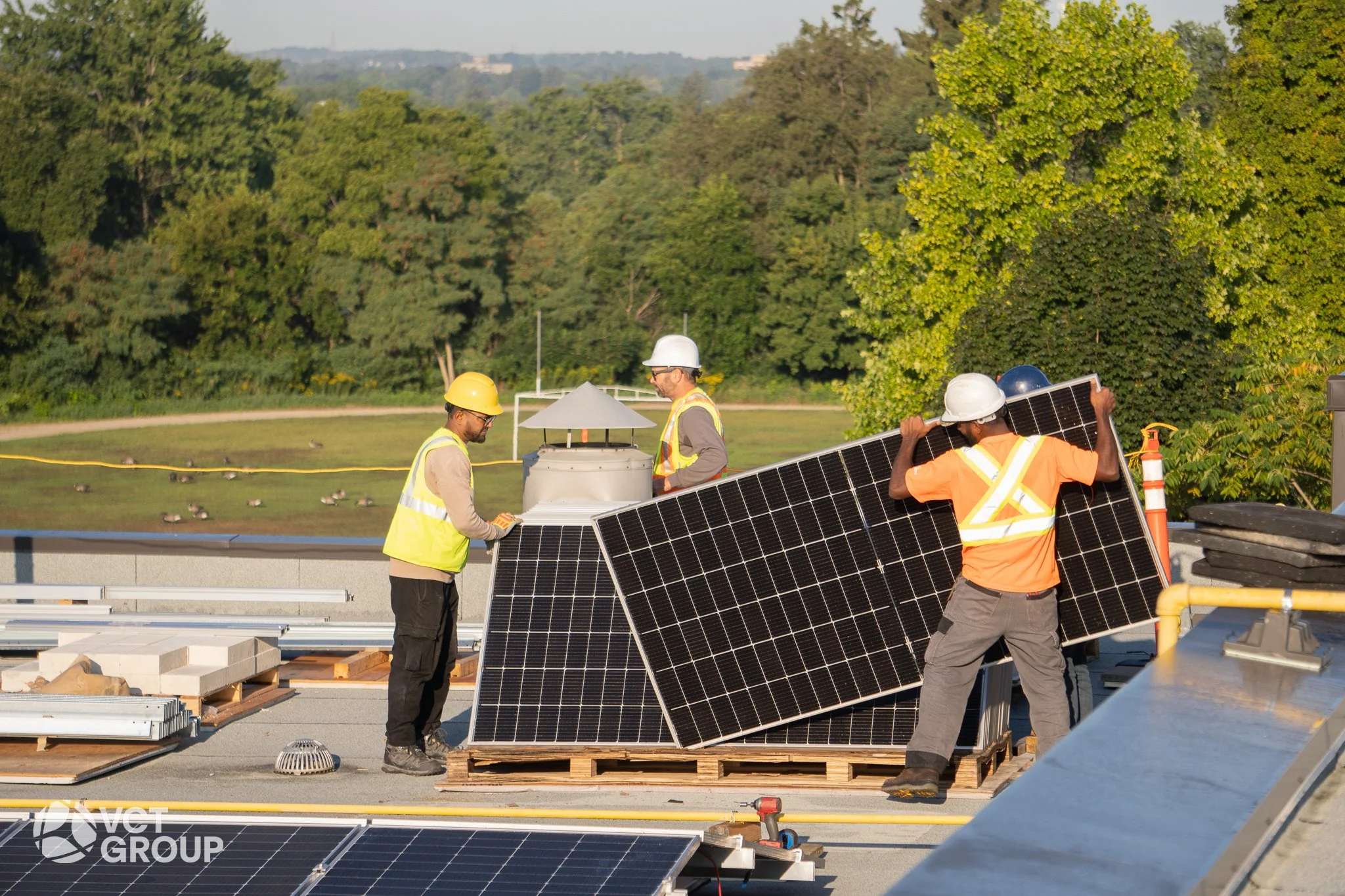
Net Metering System
Every kilowatt-hour counts, whether school is in session or not
Rockway built the system as a net metering system. Under net metering, the array connects to the grid, and any surplus electricity flows back to the utility in exchange for bill credits. Those credits offset electricity the school draws later, such as on cloudy days, in the evening, or during winter. A load displacement system, by contrast, is sized to supply power only as it is used on site, with little or nothing exported to the grid.
For a school, the difference matters. Rockway's highest solar output arrives in late spring and summer, exactly when classrooms are quiet. Under load displacement, much of that summer generation would go to waste. Net metering banks it as credits that carry into the busy fall and winter terms, allowing the system to cover 100% of the school's annual energy needs.
Class A vs Class B
Ontario splits electricity customers into two Global Adjustment (GA) billing classes:
Class A: Large industrial and commercial users enrolled in the Industrial Conservation Initiative. They pay GA based on their share of usage during Ontario's five annual peak-demand hours, rewarding them for reducing draw during those windows.
Class B: Most other businesses and institutions, who pay GA based on total monthly consumption, with no peak-hour incentive.
As a Class B education customer, Rockway Mennonite Collegiate's costs are driven by total consumption rather than peak-hour timing. That's why net metering, which maximizes the value of total solar generation, was a better fit than load displacement.
Power Purchase Agreement (PPA)
Rockway financed its project through a Power Purchase Agreement (PPA) with CED Co-op. Under a PPA, a third party funds, builds, and owns the solar system, and the host site buys the electricity it produces, typically at a predictable rate over a long-term contract. CED Co-op covered the full upfront development and construction costs, so Rockway could go solar without drawing on capital reserves or fundraising.
This model fits organizations like Rockway well. Independent schools, charities, and other non-profits generally cannot benefit from tax-based incentives such as the Clean Technology Investment Tax Credit (CT ITC), because those credits only reduce taxes owed. A PPA sidesteps that barrier: the system owner carries the investment, while the host enjoys the energy and environmental benefits.
A PPA is different from a solar lease or loan. With a lease or loan, the customer pays for the equipment itself. With a PPA, the customer pays only for the energy the system produces. Whether a PPA is the right path depends on each organization's roof, energy use, and long-term plans.
Rooted in Values, Powered by the Sun
Rockway Mennonite Collegiate's rooftop proves that a school can run entirely on clean energy without stretching its budget. With limited capital, Rockway partnered with CED Co-op under a Power Purchase Agreement, and VCT Group delivered a ballasted system that covers 100% of the school's needs with no upfront cost and no roof penetrations. Net metering carries the value of summer sunshine into the busy school year, while the array avoids 5,746 tons of CO2 over 25 years.
For Rockway, going solar is not a new direction. It continues who the school has always been. In 2008, students raised $15,000 over three years to install six solar panels on the building, celebrating the switch-on as an act of caring for creation. Today that same commitment lives on at a far larger scale: students are building a website to track the array's output, data management classes work with its real production data, and campus green initiatives like tree planting, gardening, and recycling drives continue alongside it.
Running on Sunshine - Rockway Mennonite Collegiate 2025