
Can Businesses Depend on Commercial Solar Energy Long Term?
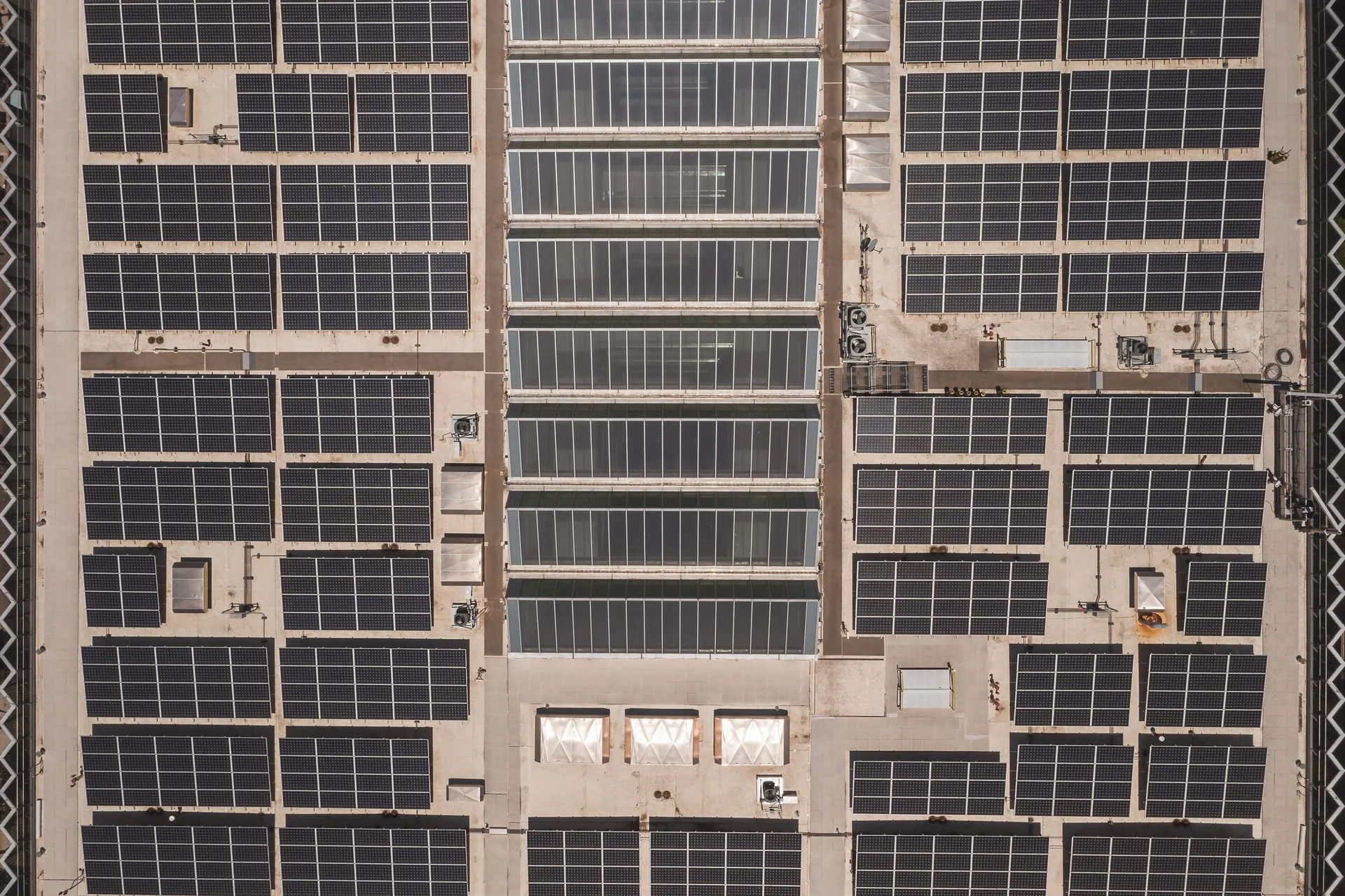
When Canadian business owners begin exploring commercial solar energy, one of the first questions they ask is: “Can I depend on this long-term?”.
It’s a reasonable question. On-site solar energy generation is a significant capital investment, and the last thing a business needs is a system that underperforms or becomes a maintenance burden a decade in.
But modern commercial solar systems are engineered specifically for long-term reliability. When approached as a strategic investment, they deliver lasting operational and financial value, while also being low maintenance.
In this article, we’ll break down what Canadian business owners need to know about the long-term dependability of commercial solar energy.
Solar Panel Longevity and System Lifespan
Today's commercial solar panels are not fragile. We procure high-quality solar panels that are designed and warrantied to perform for 25 years or more. Furthermore, most panels do not stop working once the warranty ends, they continue generating electricity.
Before the 25-year mark, high-quality solar panels are performing at their best. After a small initial dip in year one of just 1–2%, they settle into an impressively gradual decline of only about 0.25-0.3% per year, meaning for most of their life they're running very close to full power.
These premium panels hold up exceptionally well over time, still producing 90–93% of their original power after 25 years, and they don't just stop there, continuing to generate clean, reliable energy for decades beyond with no true expiration date, long after you've recouped your initial investment in solar.
This means that if you got a commercial solar system up and running today, it will still be working and contributing to energy cost reduction well into the 2050s. On-site solar energy generation is a long-term infrastructure investment that offers decades of ongoing value.
Read More: How Long Do Commercial Solar Panels Last?
On-site Solar vs. Grid: Predictability Over Volatility
Commercial solar energy has a long-term impact on your business's cost profile. The cost of electricity from the grid fluctuates constantly, making it notoriously difficult to forecast. Rates can rise due to standard utility rate increases or global supply-and-demand pressures, leaving businesses exposed to unpredictable energy costs.
In November 2025, Ontario’s electricity rates went up by nearly 30%. Overnight, an increase like this reduces profit margins, increases overhead, and forces companies to re-evaluate budgets across multiple departments.
By generating a portion of your electricity on-site, solar helps reduce exposure to unpredictable utility price increases. This creates greater stability in long-term operating costs. Additionally, it can make energy expenses easier to forecast over time as businesses reduce reliance on the grid.
Beyond operational savings, Canadian businesses also have access to various incentive programs, including:
At VCT Group, we work closely with businesses to identify available incentive opportunities and develop commercial solar systems that align with their operational and financial goals. We can conduct a site assessment to determine whether solar is a viable option for your property, and what alternatives may be available if not.
Grid Connection and Energy Dependability: How Solar Actually Works for Businesses
Business owners often ask us: Can I depend on solar to power my entire business? How do I know solar can generate enough energy?
The answer is simple. Most businesses that install commercial solar remain connected to the utility grid. The solar system offsets a portion of their daytime electricity consumption, and the grid serves as a reliable backup and supplement when solar production doesn't fully meet demand.
This is a practical and effective approach to commercial solar that ensures your business has sufficient access to power for ongoing operations. Solar generation peaks during daylight hours, which aligns well with typical commercial operational demand. The system reduces the amount of power a business draws from the grid during these hours, which in turn reduces costs.
What commercial solar delivers is energy resilience and cost stability. Businesses gain a dependable supplementary generation source that limits their exposure to grid price changes while continuing to benefit from the reliability of on-site utility infrastructure.
Part of our work at VCT Group is mapping out your energy usage and closely comparing it with what a solar power system can realistically generate on your property. We do this to ensure on-site solar power generation is the right solution for your business, something that actually protects your bottom line.
Maintenance and Operational Considerations
Another concern that comes up often is: "What does ongoing maintenance look like?"
Modern commercial solar systems are designed to operate with relatively minimal maintenance. Unlike HVAC systems or other building infrastructure with moving parts, solar panels don’t have frequent service requirements. Routine cleaning and periodic inspections are the primary ongoing requirements for most installations.
Today's commercial solar solutions include performance monitoring platforms that allow facility managers and building owners to track system output, identify underperforming panels, and verify that the system is operating as expected. This streamlines the maintenance process considerably as businesses don’t have to account for routine, manual inspections.
Keep in mind that for the best results, installation quality matters.
Transitioning to Commercial Solar with VCT Group
Commercial solar is not simply an energy upgrade, it’s long-term infrastructure that can strengthen operational resilience and improve cost predictability for decades.
At VCT Group, we specialize in helping Canadian businesses implement commercial solar systems that are engineered for long-term reliability, financial performance, and operational efficiency.
Speak with our team to schedule a site assessment and explore your property’s solar potential.