
Is Ontario Headed Toward Mandatory Solar on New Construction? What Developers Need to Know
As of August 2026, Ontario does not require solar panels or solar-ready provisions on new construction, including home builds or commercial properties. That said, between the direction other provinces are moving, and Ontario's own electrification push, it’s a question worth exploring. Here's where things actually stand, and what developers can do about it before any regulations come into effect.
Where Ontario's Building Code Stands Today
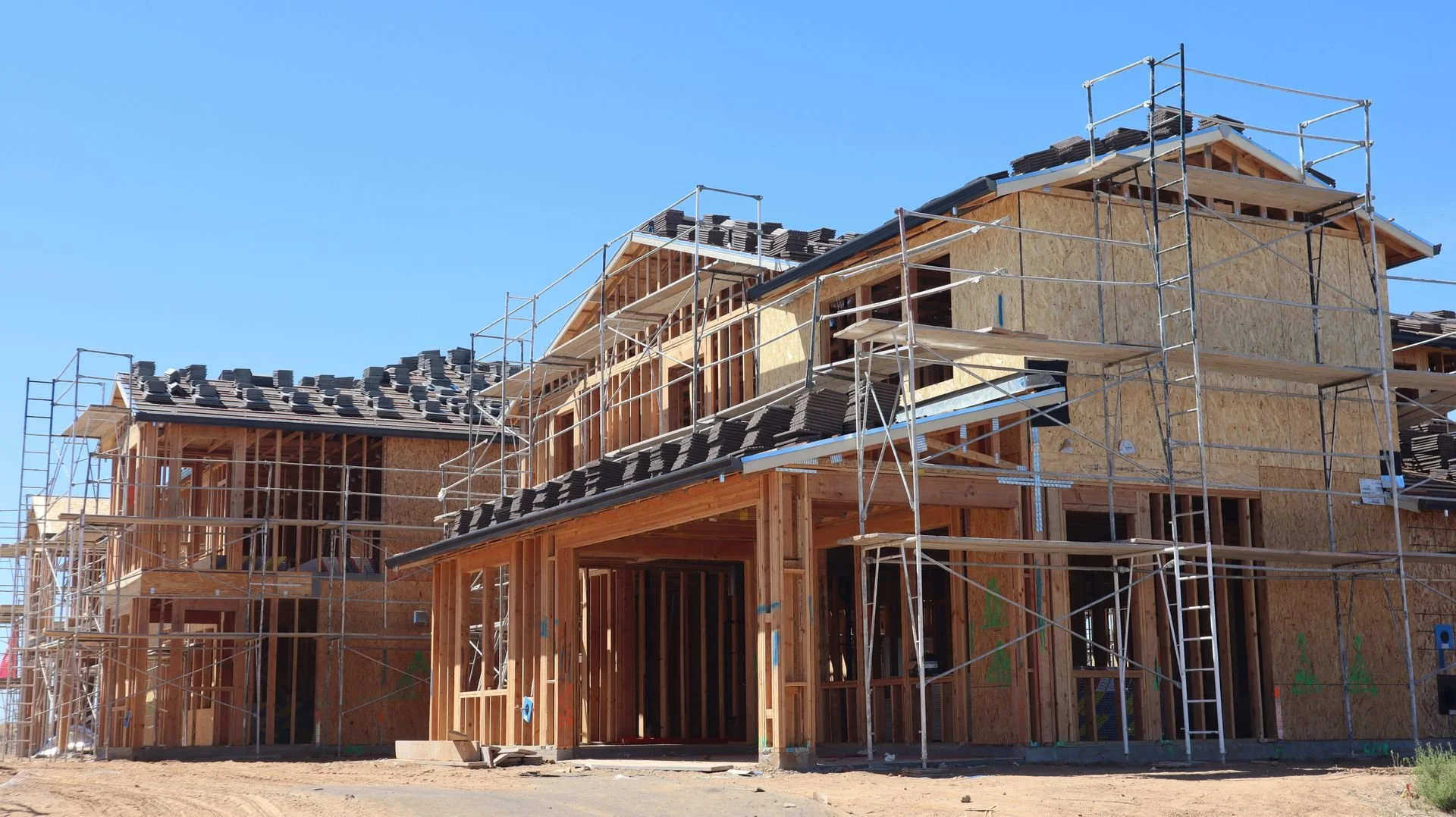
As of now, the Ontario Building Code doesn't include a solar-ready or mandatory-solar clause for new residential or commercial construction. Solar remains something added after a building is designed and, in most cases, after it's occupied.
In other words, solar gets regulated when it's installed, not when a building is designed.
Most Ontario municipalities require a building permit before a solar system goes in, and any grid-connected system needs an Electrical Safety Authority (ESA) Notification of Work filed by a licensed contractor before it can be energized.
Additionally, larger systems may require structural and engineering review to confirm the roof can carry the added load. None of that is a barrier to building solar today, but it does mean a system added after occupancy is a separate project, with its own design, permitting, and cost.
Ontario Wouldn't Be First: Solar Mandates in Other Jurisdictions
Ontario wouldn’t be the first to adopt this regulatory approach:
California requires solar on most new residential construction and has extended solar-readiness requirements into commercial building code.
Municipalities like Long Beach, California and South Salt Lake, Utah have gone further, requiring new developments above a certain size to include a compliant solar-ready roof zone, reserved conduit paths, and adequate electrical panel capacity, regardless of whether panels go in on day one.
This wouldn't even be the first time Ontario has looked at prioritizing solar-readiness. Natural Resources Canada has previously developed "photovoltaic-ready" guidelines for homebuilders, with recommendations for making new construction easy and inexpensive to retrofit for solar later.
Ontario Mandated Clean Energy in New Buildings Before: The 2018 EV Charging Mandate
Ontario has already used the Building Code to require clean energy infrastructure in new commercial buildings.
On January 1, 2018, Building Code amendments required that where parking was located inside a non-residential building, at least 20% of those spaces be provided with installed electric vehicle supply equipment (EVSE), and the remaining spaces be designed for future installation. Offices, workplaces, and other commercial buildings were covered. Surface lots separate from the building were not, and a simple receptacle didn't qualify, since actual charging equipment was required. New houses had a parallel rough-in requirement, including a 200-amp panel.
The requirement was short-lived. Through Ontario Regulation 88/19, the provincial government removed EV charging requirements for houses and large non-residential buildings as of May 2, 2019, after developers argued the requirement added roughly $500 to the cost of a new home. In 2024, Housing Minister Paul Calandra said keeping new home costs low takes priority over mandating EV chargers, and the 2024 Ontario Building Code did not bring the requirement back.
For commercial property owners, this precedent matters in two ways. It shows that Ontario has the mechanism in place and has used it before, so a solar-ready requirement would apply a familiar approach rather than create a new one. It also shows how quickly code requirements can change. A building designed today will likely operate under several provincial governments, which makes planning for solar and EV charging capacity at the design stage a practical way to stay ahead of whatever the code requires next.
The Case for a Solar Mandate in Ontario
Ontario's electricity system is heading into a multi-decade capacity expansion to meet rising electrification demand, and new construction that arrives already solar-capable is cheaper for the grid to accommodate than a wave of retrofits years later.
Municipal green development standards, like Toronto's tiered sustainability framework for new construction, already push developers toward energy performance measures and, in some cases, tie higher sustainability tiers to faster approvals or other incentives. A solar-specific requirement would be a natural extension of that policy direction.
None of this means a mandate is imminent. But developers who wait for a final rule before thinking about it will be designing under deadline pressure, on someone else's timeline.
The Real Cost Difference: Solar-Ready vs. Retrofit
The cost gap between planning for solar and retrofitting for it later is worth noting.
Reserving roof area, orienting a building to avoid self-shading, and running conduit and electrical panel capacity for a future system are inexpensive decisions when they’re made during design.
Once a building that was built without solar in mind needs those same provisions, the process could involve:
Cutting into finished roofing
Upgrading electrical service after the fact
Working around HVAC equipment, vent stacks, and other rooftop systems
The incremental cost during design is a fraction of the cost of a retrofit, that’s why building solar-ready even before any code requires it is a practical decision in the long-run. It's the difference between solar being a planned feature and solar being a disruptive add-on.
Solar-Ready vs. Solar-Optimized
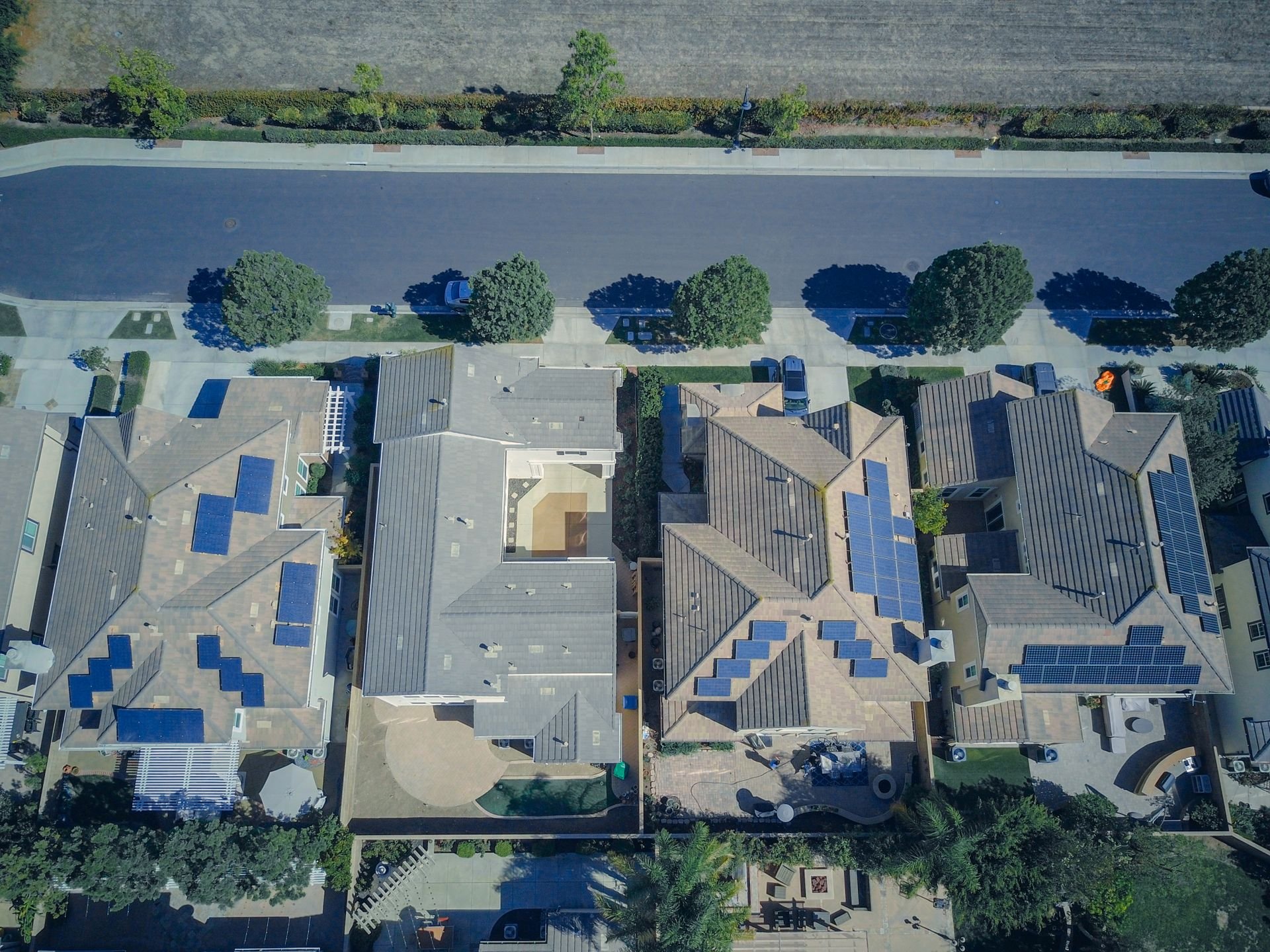
Planning for solar goes beyond electrical capacity. Commercial rooftops are the primary hub for a building's mechanical, electrical, and plumbing infrastructure, including HVAC systems, electrical and power equipment, access and safety infrastructure, and plumbing and drainage. Placing these utilities on the roof frees up interior square footage and keeps noisy or hazardous equipment away from occupants.
It also affects solar potential. Where rooftop equipment sits, and the shade it casts, can significantly change how many panels a roof can accommodate. Grouping utilities thoughtfully at the design stage can make a rooftop not just solar-ready, but solar-optimized, often at little or no added cost. It mostly comes down to deciding where equipment goes with future panels in mind.
What's in It for Developers?
Solar is an in-demand feature, not just a compliance cost: In a market where buyers and commercial tenants increasingly ask about operating costs, a solar-ready or solar-equipped building is a meaningful differentiator.
Faster approvals in some municipalities: Green development frameworks like Toronto's can tie higher sustainability to expedited review or other approval incentives. Solar provisions can work in a developer's favour before a building is even complete.
Avoiding a retrofit later: If a mandate does eventually come into effect, it could completely disrupt in-progress builds. Developments already built solar-ready sidestep the higher cost and disruption of retrofitting after the fact.
Lower operating costs: For developers who retain ownership or manage operating costs, solar-equipped buildings are cheaper to run from day one, especially commercial and multi-unit residential buildings.
Better positioning for incentive programs: Provincial and federal solar incentives are easier to qualify for when solar is part of the original design and electrical scope, rather than bolted on afterward.
What Developers Can Do Right Now
Developers don’t need to wait for Ontario to take action, they can start taking action right now. Developers can build in solar-ready provisions voluntarily by ensuring reserved roof area, appropriate orientation, and electrical capacity. This can be done at a far smaller incremental cost compared to retrofitting measures.
For developers, the best step forward is to bring a solar partner into the conversation during design, not after occupancy permits are issued. A solar partner can ensure sufficient roof layout, structural load, and electrical planning for solar from the start.
Whether or not Ontario ever mandates it, the developments that treat solar as a design input now will be the ones with the most options later.
Planning a new development and want solar factored in from the design phase?
Contact VCT Group today! We work with developers during pre-construction to build solar and solar-ready provisions into the plan, not around it.