
Solar Roof and Land Leasing: A Hands-Off Way to Monetize Unused Space
An empty warehouse roof or a stretch of underused land isn't doing anything for its owner, but by leasing the space, that could change. Solar leasing turns underutilized space into a source of steady income, without the owner taking on the cost, the construction, or the operating risk of a solar project. Here's how it actually works, who it fits, and what to look for before signing anything.
What Solar Leasing Actually Means (and What It Doesn't)
In a solar lease, a developer (not the property or landowner) pays to install, own, and operate a solar system on a roof or a parcel of land. The developer covers the capital cost and manages maintenance and insurance. In exchange, the owner receives lease payments for the space, usually under a long-term contract.
This is very different from buying a solar system outright. Ownership means capital outlay, ongoing maintenance responsibility, and a stake in how well the system performs. Solar leasing doesn’t involve any of that, the owner collects rent on space that was otherwise producing nothing.
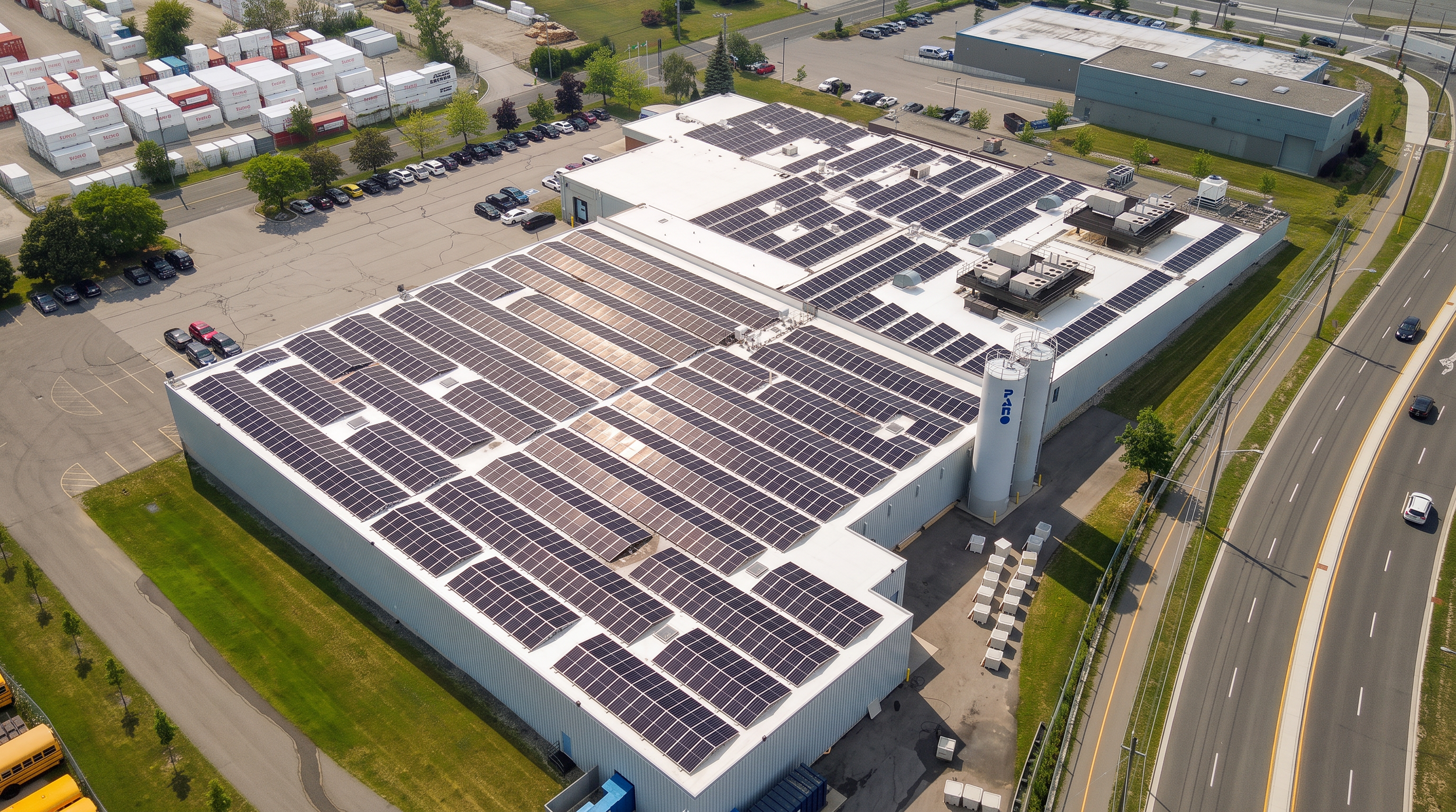
Does Your Space Qualify for Solar Leasing?
Roof leasing works for large, flat commercial and industrial roofs, such as warehouses, distribution centres, big-box retail, and manufacturing facilities.
Developers generally look for roofs in the range of several thousand square feet or more, in reasonably good structural condition, with minimal shading and obstructions.
In summary, the ideal roof conditions for solar leasing are:
A roof area of several thousand square feet or more
A flat or low-slope design
A roof in good enough structural condition to support a solar system
Limited obstructions, including shading from trees, neighbouring buildings, rooftop equipment, or other structures
Roofs that will not require replacement or major repairs during the lease term.
Sufficient exposure to sunlight throughout the day
Land leasing works for vacant, underused, or low-yield land, such as rural or agricultural acreage.
Developers typically want a minimum land area to make a project viable, with flat, unshaded terrain and close enough proximity to existing grid infrastructure. Land close to transmission lines is worth more to a developer than an identical parcel farther from the grid, because interconnection cost is one of the biggest variables in the project.
In summary, the ideal land conditions for solar leasing are:
A large enough parcel to make a solar project economically viable
Flat or gently sloped terrain
Limited shading from trees, buildings, or surrounding terrain
Land with strong sunlight throughout the day
Parcels close to suitable transmission/distribution infrastructure
What Property and Landowners Actually Get Paid
Solar leases are typically structured as fixed, long-term contracts running two to three decades, with predictable annual (sometimes escalating) payments. These payments are not usually tied to market conditions or usage.
That cost predictability is the main appeal of solar leasing for property and landowners. It's income that doesn't depend on how the space performs, and it isn't affected by weather, tenancy, or market cycles.
Actual payment terms vary considerably based on the size, condition, and location of the space, along with how close it is to grid infrastructure. A free site assessment can provide a more accurate estimate.
What the Owner Isn't Responsible For In a Solar Leasing Agreement
Under a solar lease, the developer is responsible for design, permitting, installation cost, ongoing maintenance, insurance, and system performance.
The owner leases the space for use, it’s as simple as that. The owner doesn’t manage the project or carry an operating risk. It’s the same as if you’d lease it for any other use, except the "tenant" is a solar system rather than a business or individual.
What to Check Before Signing a Lease
For roof leases: Check the roof's condition and remaining lifespan. During the term of the lease, needing to replace the roof and reinstall solar is far more disruptive and costly than doing it beforehand.
For land leases: Check zoning and any land-use restrictions, along with proximity to grid infrastructure, which affects both feasibility and the deal a developer is able to offer.
For both: Check lease length and what happens at the end of the term. Specifically, what the agreement states about system removal and restoring the space to its original condition is important.
An Ontario-specific note: Ground-mount solar doesn't qualify for Ontario's Save On Energy incentive, which applies to rooftop systems only. Ground-mount projects rely on net metering and the federal Clean Technology Investment Tax Credit instead.
Selling underused land or air rights converts the asset into a one-time payout; solar leasing keeps the underlying property in the owner's hands while generating income from it year after year. A solar lease can potentially outperform both the status quo (no income at all) and an outright sale (income once, then nothing).
Have a roof or land that might fit this? Get a complimentary site assessment from VCT Group
We'll evaluate the space and tell you, plainly, whether it's a fit and what it could be worth, with no obligation to move forward.