
Save Energy Costs With Solar Net Metering in Canada
What Is Solar Net Metering?
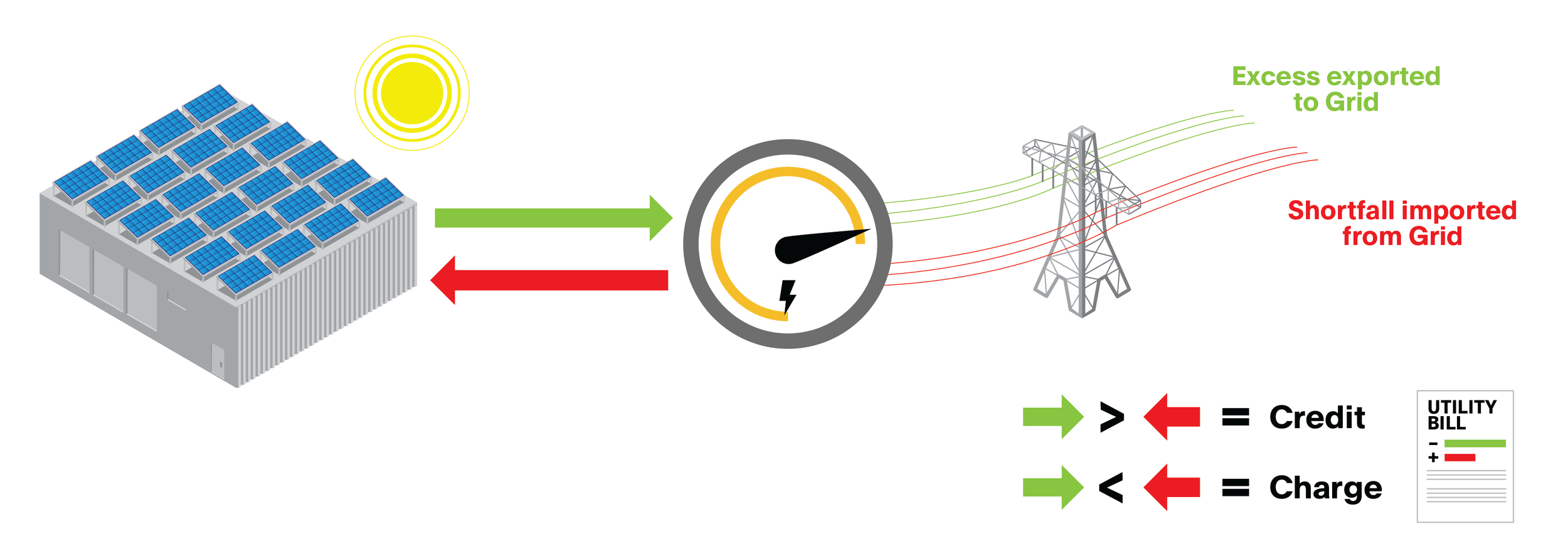
Net metering (also called solar panel net metering) is a billing arrangement that lets you use the electricity your solar panels generate to offset the power you take from the grid. When your solar energy system produces more power than you consume, that extra electricity is sent to the grid and recorded by a bi-directional meter. Those exported kilowatt-hours create solar net metering credits, which are automatically applied to your future electricity use. When your system produces less (like at night or in winter), you draw power from the grid — and your credits help balance the cost. For Ontario businesses, solar net metering is available through the Independent Electricity System Operator (IESO), allowing you to participate in the Net Metering Program Ontario and benefit from long-term energy savings without batteries or storage systems.

How Net Metering Works
Understanding how net metering works is simple:
Generate Power – Your solar panels produce electricity during daylight hours.
Use What You Need – Electricity powers your building in real time.
Export Excess Energy – Any unused power flows back into the provincial grid.
Earn Credits – Your utility tracks how much electricity you send and provides solar net metering credits.
Offset Your Costs – You use those credits later to reduce future bills when your system isn’t generating enough.
This seamless exchange between your solar system and the grid means you’re never “losing” the value of your energy — every kilowatt counts.

The solar economic model of net-metering is a game-changer in the world of renewable energy systems.
It reduces energy costs, empowers individuals and businesses to harness the power of the sun, and contributes to a greener future.
Modern solar rooftops operate on a net-metering system, allowing businesses to export excess electricity to the grid and receive credits. This reduces energy costs while supporting local energy resilience. Virtual net-metering or community solar allows multiple businesses or organizations to benefit from a single solar installation, even if not physically connected. This approach fosters community engagement, lowers costs, and promotes sustainable energy adoption.
Learn More About The Economic Model of Solar Net Metering
Solar Net Metering Process


Solar panels convert sunlight into electricity

The inverter converts the electricity from DC to AC power for use in your building, and collects data about the energy to send to monitoring software

Your building uses the solar energy as it’s generated to power on-site operations.
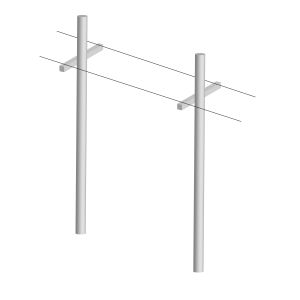
Excess energy is fed into the electrical grid. When demand is greater than the supply from the solar panels, energy is pulled from the grid
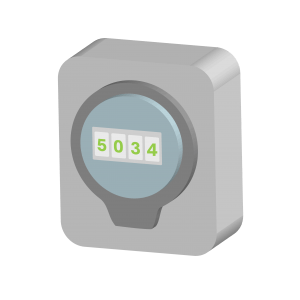
A bi-directional meter tracks both energy exported to teh grid and electricity imported from it.

Benefits of Solar Net Metering
The net metering benefits for solar customers go far beyond cost savings. This program supports both your financial and environmental goals:
Lower Electricity Bills: Reduce or eliminate your monthly utility costs with solar net metering credits.
Energy Independence: Generate your own clean power and rely less on volatile grid prices.
No Batteries Required: Store value through credits instead of physical energy storage.
Sustainability Impact: Cut carbon emissions and contribute to Ontario’s renewable energy targets.
Long-Term Stability: Fix your energy rates for decades with predictable, clean energy generation.
Support Local Energy Resilience: Distributed generation strengthens communities and the grid.
Economic Advantages and Local Impact
For businesses and property owners, the economic impact of net metering is substantial. Over time, the energy savings from a solar net metering system can offset installation costs and deliver long-term financial returns.
By investing in commercial solar net metering, Ontario organizations can reduce operating expenses, protect against rising utility rates, and demonstrate sustainability leadership. Every solar project also supports local green jobs, from installation to maintenance, driving growth in Ontario’s clean energy economy.
As more customers participate in the net metering program Ontario, it reduces overall strain on the provincial grid — helping keep energy prices stable for everyone.
FAQs About Solar Net Metering in Ontario
-
Solar net metering is a billing system that allows you to send excess solar electricity to the grid and receive credits that reduce future utility bills.
-
Under the IESO net metering program Ontario, your bi-directional meter tracks both electricity imported from and exported to the grid. Surplus production earns credits that can be used within 12 months.
-
Any customer with a solar energy system under 500 kW, connected to a local distribution company, can typically participate.
-
Businesses can reduce long-term energy costs, hedge against utility rate increases, and showcase sustainability leadership.
-
Traditional net metering applies to onsite systems. Virtual net metering allows multiple participants to share energy and credits from a remote solar installation.
→ Learn more in Learn more in EV Charging – Good for Business -
Yes. By offsetting grid consumption with solar production, net metering solar energy can significantly reduce — or even eliminate — your electricity bills over time.

Speak With Ontario’s Commercial Solar Experts
We’re here to help you with high quality information, at no cost. We’ll show you how much power you can produce with solar, what project costs will look like and what returns you can expect based on the best available market data. We know solar and how to optimize for your facility.
If you’re ready to start your free site assessment, or if you just have a few questions, let’s talk.